

In this section of the blog, we discuss how to grow your small business; for instance, by increasing your customer base and revenue. We’re going to break down these topics, discuss the key issues you should be aware of, and offer some tips on how to increase your chances of scaling successfully. What Does Scaling a Business Mean? Scaling a business means growing the company in a way that is sustainable and profitable. This can be done by expanding the customer base, increasing sales, and improving efficiency-all of which require practical goal setting and the creation of a clear, actionable plan. Why It’s Important to Scale Aside from the aforementioned increase in sales, expanded customer base, and improved efficiency, here are the other benefits of scaling a small business. Significant boost in revenues and profit Improved brand recognition Expansion into new markets When to Scale You don’t want to wait too long to scale, or you will miss out on opportunities. But you also don’t want to scale too early, or you will waste resources. (More on this in the next section.) If you’re not sure when the right time is for you, then you could always consult with a small business advisor Alberta, or wherever your business is based, to get a clearer picture and make the decision. Generally, the best time to start scaling your small business is when you see consistent growth. This could be in terms of revenue, customers, or any other metric that is important to your business. In other words, if your products or services are in high demand and you have the necessary infrastructure in place to support a larger customer base, then it may be a good time to start thinking about scaling. How to Scale a Small Business Successfully Set a Goal and Create a Plan First, you need to have a clear vision of where you want your business to go. What are your long-term goals? What are your objectives for growth? Once you have a good understanding of your goals, you can start putting together a plan for how to achieve them. This includes having a detailed budget and forecast for your expansion. Additionally, you may need the assistance of a business banker in jacksonville (or wherever you live) to help you plan your finances and obtain a loan. Put the Right Team in Place Next, you need to make sure that you have the right team in place. As your business grows, you will need more people to help support the growth. Make sure that you hire people who share your vision and who are excited about helping your business reach its potential. This could also mean training your existing team on how to handle a larger workload. Create a Better Space A crucial aspect of successfully scaling a small business involves creating an environment that supports growth and innovation. As your business expands, your workspace should also evolve to accommodate the changing needs of your team and operations. Consider renovating your office space to optimize functionality, efficiency, and overall aesthetics. A well-designed office layout can foster collaboration, improve workflow, and enhance employee satisfaction. Shore Up Resources and Prepare to Invest You need to be prepared to invest in your business. Scaling a business takes time and money. You will need to invest in marketing, product development, and other areas that will help support your growth. If you are not prepared to make these investments, it will be difficult to successfully scale your business. Determine the Most Suitable Strategy for Scaling There are many different ways to scale a small business. The best way to do it will depend on your unique business and what will work best for you. It also depends on the kind of audience you want to attract. Many businesses these days will seek out Cross & Multi Cultural Consulting to expand their brand’s appeal to various emerging segments in the market. Your strategy depends entirely on what direction you want your business to go in. However, here are the two most common ways of doing it, for businesses that are scaling for the first time. Expanding the product line: The most straightforward way you can scale your small business is to expand your product line. If you sell products, you can add new products that complement your existing ones. This will help you reach new markets and customers. Expanding the geographic reach: Another way to scale is by expanding your geographical reach. If you only serve customers in one area, you can start serving customers in other areas. This can be done by setting up shop in new locations or even setting up your brand for franchising. What are the Potential Drawbacks of Scaling? As we said, if you scale too quickly, you may not be able to keep up with the demand for your products or services. This could lead to unhappy customers and a decrease in sales. Moreover, if you do not have the right team in place to support your growth, you may find yourself overwhelmed and unable to effectively manage your expanded business. Another potential drawback of scaling is that it can be expensive. If you need to hire additional staff or make significant upgrades to your infrastructure, these costs can add up quickly. And if you are not careful, you may find yourself taking on too much debt to finance your expansion. This can put your operations at risk if you are unable to make your loan payments. But, by taking the time to properly assess the opportunities and prepare for the challenges, you will be in a much better position to take your company to the next level of growth through proven processes of scaling a business.

4 Supply Chain Mistakes And How To Avoid Them
Supply chains are complex, and often, professionals in the field may not have sufficient knowledge about their own industry to administer a successful and efficient supply chain. This highlights the importance of supply chains, often referred to as the heart of a business. A supply chain is a series of activities linking suppliers to all other parts of the business. In the supply chain process, the flow of products is a recurring pattern, and the common factor is that the flow of materials, information, people, and money has to be uninterrupted. When companies source internationally, this can often be hard to do, which is why they turn to sourcing agents such as those found at https://uniway-sourcing.com/ and similar websites to maintain and manage a continuous supply on time. There are, however, other factors that also need consideration. Consider the example of industries such as farming, where livestock meat is produced and sold. Effective supply chain management ensures a seamless and efficient process from farming to the end consumer. While supply chain management is crucial, a key factor that shouldn’t be overlooked is marketing, as it can be a game-changer. Fortunately, services like Livestock Sales by Anglia Quality Meats, or similar associations, can significantly enhance your marketing efforts. These services tend to specialize in promoting and selling livestock products, bridging the gap between production and consumer demand. That said, the main goal of a supply chain should be to ensure that products are produced on time and under budget. The proper functioning of the supply chain is like a game of chess, and to win, we need to know all the rules. Here are the four supply chain mistakes and how to avoid them: Lack of Plan for Business Disruption A firm’s supply chain is about to undergo a disruptive change. If you are unprepared, you could lose out on future business. We are in the early stages of a new global economic model, and we’ve already seen it happen in the retail and electricity industries. And the latest industry to be disrupted is transportation. In a way, business disruption is a blessing in disguise. If you’re not prepared, it can cause you to lose a lot of money and time. The best way to prepare for business disruption is to think through your response to it. Otherwise, outsourcing the logistical processes to an external service provider, like Shape or a similar company, can help take this responsibility off your plate. Outsourcing these operations allows you to hand over the reins to professionals who are more likely to account for any business disruptions, and accordingly have a backup plan in place. Disregarding Supply Chain Data Supply chain issues have long been a problem in the supply chain management community. By far, the most common mistake is overlooking supply chain data, with managers failing to ensure that their supply chains are working efficiently. The supply chain is vital to any company and can be one of the most exciting, fulfilling, and challenging places to work. The supply chain process requires consistent and accurate data to provide the right goods to the right people at the right time. If this data isn’t accurate, it can severely impact the supply chain process. It’s no secret that supply chain management is an important topic and a growing concern for many companies. There are many things you can do to improve your supply chain management, but most of them won’t happen without the proper tools. One of the most important tools is data, and the more you have, the better you can understand how your supply chain is performing. The most effective way to get data is to gather it from as many sources as possible, but it can be difficult to do it manually. So, your business should employ the use of the best system for retail warehouse management it can find. This is simply because it could compile all relevant data and information in inventory and supply volumes accurately. Besides, it could help optimize and simplify other processes as well. Poor Customer Service Management When you deal with an unhappy customer, you want to make it right-even if it means spending a few extra hours on getting the customer a new product or a quick phone call to get your team’s attention. Unfortunately, not every business owner is adept at good customer service. Instead of taking the time to address a customer’s concerns, some companies just let the matter go to the customer. There’s no arguing that good customer service is crucial to a company’s long-term success. If a business fails to provide an excellent customer experience, its customers will turn to another one, which will then mean that they will lose out on business, and so on. In order to provide a superior customer experience, a company needs to think about how it interacts with its customers, including how it communicates with them, what it says to them, how it behaves towards them, and so on. A company should also make sure that it provides an excellent service level, regardless of what type of service it offers. Unsuccessful Cost Reduction How do you cut costs in a supply chain? Most people would answer by decreasing the number of suppliers, and some say you should do this by seeking out cost-effective manufacturing partners overseas. While this may be a good idea, many supply chain managers opt for a different approach. Rather than trying to reduce the number of suppliers, they focus on reducing the total cost of their supply chain by doing things differently. Supply chains are complex systems operating on many levels and touching every industry and organization in our world. We spend a lot of time interacting with them.

What is Quiet Quitting & Why are Employees Doing it to Avoid Burnout?
The term quiet quitting has been floating around for a while now, but what can employers and employees do to make the workplace a productive but caring one to avoid burnout?
quiet quitting, business, mental health, burnout, employees, employers

Wanting an Extension on Your Home? Make Sure You Know Your Rights
Are you thinking about extending your home? If so, there are a few things that you should consider before doing that. With a decent budget, you can add an extra room, a conservatory, or even a whole new wing. What happens when you become unexpectedly unemployed? Or when you’ve started a new job and aren’t sure you’ll be able to carve out the time to enter your new house? Or when there’s just something you’ve always wanted to do, but it’s getting harder and harder to squeeze it in between work, life, and parenthood? Fortunately, there’s an extension on your house you can use. However, a planning permission is needed for these extensions to be built. And, if it has already been granted, there are certain rules that you have to follow. It’s important to know your rights before requesting an extension. It allows you to pay off your mortgage interest-free over extra time. Before requesting an extension, ensure you have all the financial information ready, calculate how much you can pay each month, and have proper knowledge about your loan. If you cannot pay your mortgage, the lender might decide to foreclose on your house. Things You Need to Know Before Building a House Extension Extending your home to increase its market value is a common practice among homeowners, but before you start off with it, there are some important things you need to know. Home extension projects are quite complicated and require extensive planning. Make sure you know what you are doing and follow all the guidelines set out by local authorities. It’s also advisable to hire a qualified contractor and even a land surveyor (from C&A Surveyors Sydney, for instance) to prevent you from making legal mistakes, such as building on another person’s land. Value If you want to increase the value of your home, the old adage about real estate holds true today as it did years ago-location, location, location. It’s usually a good investment to purchase a property close to where you work, or in the case of homeowners, your residence. A house extension, or adding a second story to your existing house, is often a cost-effective way of increasing the value of your home. Cost Building a house extension can be costly, so it is important to consider all the factors involved. You need to consider how much the extension will cost, how long the project will take, and the additional expenses (if any). To get a fair estimation of the costs involved, you can get in touch with a company that provides high-end house renovations and have them give you a quote. Time There are several things you need to consider before building an extension on your home, and one of them is time. Building an extension on your house can take several months, and while that might sound tedious, it should come as no surprise once you realize the amount of work that goes into building a house extension. Quality This is your home, and you are hiring a general contractor in atlanta (or one elsewhere) to make the most of the space for your long-term enjoyment. You’ll need to plan according to the city or county so that you can figure out the easement of the location. That’s not the only thing you’ll want to be aware of before you start building; you also need to know if you’re in the right zoning district to build an extension legally. Space While adding an extension to the home can be a great idea, you may need to first figure out whether there is enough space or not to carry out the project. Consider the extra space keeping in mind the space required to set up the scaffolding, wherein the professionals such as those found on https://burflex.co.uk/ and similar sites would build up a temporary structure, so that the construction can be carried out smoothly. Nearby properties An extension can impact the neighbors in terms of noise, light, and smells. To minimize the impact on neighbors, consider building an extension that allows natural light to flood in or one that faces the road, where noise from passing traffic is minimal. It’s no surprise that many homeowners want extensions. Not only can it be a great investment, but it can also let your home grow with your family and your needs. The benefits of an extension are numerous: extra space, more natural light, and a better flow between the inner and outer space of your home. When you build or buy a home, you normally sign a contract, and that’s the end. But many people don’t realize that extensions require planning permission by law. While that doesn’t mean that your application will be guaranteed, it does mean that you have a greater chance of securing consent. Therefore, you must know the ins and outs of what an extension is, what rights you have, and what’s involved in securing planning permission.

How Can You Keep Your Staff Safe in the Warehouse?
Warehouses can be dangerous places. Employees have to work long hours on their feet, while forklifts are operated in close proximity to employees and materials. Warehouse accidents can result in serious injuries and even death. Hence, safety is important, and keeping your warehouse employees safe should be a top priority. Warehouses are busy places, and operators are tasked with safely shipping, receiving, and maintaining inventory. Besides the constant traffic, there are often numerous vehicles coming in and out of the work site, forklifts and pallet jacks moving everything around, and a lot of heavy lifting. It’s vital to remember that warehouse employees have the right to a safe working environment. While safety measures can significantly reduce the risk of accidents, it’s also important to be prepared for the unexpected. In the event of an unfortunate accident, employees may think of consulting a legal professional from firms like Larrimer and Larrimer to ensure that their rights are protected and their claims are granted. Therefore, employers need to proactively establish comprehensive safety protocols that adhere to industry standards and regulations. These protocols should encompass proper training for all employees, regular equipment maintenance, and clearly defined emergency procedures. By fostering a culture of safety awareness and diligence, employers can prioritize the well-being of their warehouse employees and mitigate potential risks. Here Are the Tips to Keep Your Employees Safe A warehouse is a hazardous place, so workers need to be as safe as possible. Follow these six tips to improve your warehouse safety and help keep your employees and customers safe: Put safety first. Safety in the workplace is actually very important. It is imperative that the company operating the warehouse create a safe environment for workers and set precautions in place. Further, ensure that your workers have undergone First Aid at Work Requalification (2 Days) training, or have been taught how to deal with accidents with the help of basic medical practices can assure better safety and wellbeing of all employees. Inspect the equipment regularly. Warehouses can be dangerous places to work, and storing flammable and hazardous materials in certain spaces increases the risk of an accident. To keep your workers safe, inspect warehouse equipment for hazards and work safely around them. Warehouse maintenance. When managing a warehouse, regular upkeep is essential. This includes timely repairs of walls, flooring, and roofs (with the help of a Commercial Roofing company), which can significantly reduce the likelihood of unfortunate accidents and keep the staff safe. Wear protective gear. The warehouse environment can be fraught with hazards. Warehouses are busy, chaotic places, and workers may constantly be moving around on concrete floors in bulky work boots. The gear you wear can protect you from injuries or harm. Safety starts with selecting the right pair of work boots and protective equipment. Wearing the appropriate footwear helps to prevent accidents like falls and slips, as well as sores and blisters. Insulate electrically risky areas. Insulating electrically risky areas is a key strategy that can significantly mitigate the risk of accidents. By identifying and marking areas with high-voltage equipment, live wires, or electrical panels, you create a visual reminder for employees to exercise caution. Consider incorporating solutions like Insulated rubber matting from EINTAC, which offer an added layer of protection against electrical shock. To take safety a step further, integrating specialized tools can make a substantial difference. Keep aisles clear of debris. Warehouses are dangerous places to work, even if you aren’t physically handling dangerous materials. When items are stacked too high or aisles are too clogged with debris, warehouse employees can encounter major risks. To help keep workers safe, facility managers should schedule regular safety inspections and implement safety protocols such as keeping aisles free of debris, utilizing proper safety signs, and complying with OSHA safety guidelines. Use safety guards. Warehouses can get hot, cold, noisy, and crowded. Use safety guards around heavy machinery, forklifts, and conveyor belts to keep your employees safe from harm. Moreover, this can also help to increase employees’ productivity. Report all hazards. Safety in the workplace is crucial. When employees head back to their place of work, they should be in an environment that is safe and free from hazards, so that they can focus on their work and not on potential hazards. Warehouses are dangerous environments to work in due to the number of moving parts, extensive storage space, and high noise levels. Employees should be trained on the hazards of an 8-5 workday, and they should be equipped to handle the high risks of work that needs to be done. Warehouses need employees that are trained, safety-conscious, and committed to keeping everyone safe. Promote Awareness. Although accidents are relatively rare at a warehouse, injuries are all too common. One safety tip that is important to share is the importance of promoting awareness in the workplace. Warehouses are bustling places, and it’s easy to overlook and forget about your surroundings. It’s important to stay alert so that you can prevent accidents from occurring. It’s also important to educate your employees about warehouse safety so that they know the dangers of working in such a fast-paced environment.

Hot Businesses to Try for Additional Budget
At some point in our lives, most of us have experienced pangs of regret when we realize we have missed out on an opportunity. There may not be a monetary loss, but a lost opportunity still leaves us feeling empty and unsettled. Now that the economy has bounced back from the recession, many people like to start a business to generate additional income. These businesses can be operated part-time or full-time and have low startup costs. Hot Businesses Ideas That You Should Try If you’re thinking about starting a home-based business, you should begin by identifying a hot business that you can try for additional income. There is a broad category of businesses out there, ranging from e-commerce ventures to service-based enterprises. Consider your interests, skills, and market demand when exploring potential business ideas. One area that continues to thrive is the market for lifestyle products. From wellness items to trendy fashion accessories, there’s a plethora of opportunities to tap into consumer preferences. Whether it’s eco-friendly products, personalized gifts, or artisanal goods, the lifestyle niche offers ample room for creativity and innovation. Furthermore, niche markets can also present lucrative opportunities. Take, for instance, the rising demand for smoking products and accessories. With evolving attitudes towards smoking and cannabis legalization in many regions, there’s a growing market for high-quality items. Entrepreneurs can cater to the needs of this niche audience while tapping into a profitable market segment. By strategically sourcing and curating a diverse range of wholesale glass pipes, bongs, and other sought-after smoking accessories, businesses can position themselves as the go-to destination for enthusiasts. This can ensure a steady revenue stream and long-term success. Having said that, here are a few ideas you can try. How to write a blog: Today, there are millions of blogs written on a daily basis-a clear indication that blogging is becoming a mainstream form of writing. This medium can also be described as an online diary. Blogging can take different forms, but it mainly involves writing articles or posts that can be shared using a social medium such as Facebook, Twitter, Instagram, and Google Plus. Dog walking service: One of the oldest forms of business. Dog owners realize the importance of getting a dog walking service in order to increase their dog’s quality of life. A dog that is well exercised-both physically and mentally-is less likely to develop bad behaviors or stress-related health problems. Lawn service: A category of hot business to try for additional funding since a lot of homeowners don’t have the time or energy to take care of their own lawns. However, some homeowners tend to spend a lot of time and effort in their yard, so it’s important to be picky about who they employ to take care of it. Therefore, you might consider opening such a business that is in demand and can provide you with your required profit. Social media specialist: One of those businesses to check out for. The advent of social media has revolutionized the way businesses and brands interact with each other and their customers. Thanks to the exposure of the different social media platforms, social media department is now an integral part of any business. Personal trainer: Understanding what a personal trainer does is a bit different from what most people think. Surely, they are there to motivate and train you into improving your fitness, but their goal also includes creating a sustainable lifestyle change, not simply a fitness shift. The industry is booming, and it’s a good career for those who love agility but also believe that fitness should be fun, not just a chore. Moving service: One of those businesses to attempt for extra financial stability. The essential elements can be divided into four parts: service, equipment, materials, and staff. Moving companies provide customers with services that includes loading unloading, packing unpacking, and property preservation. These types of businesses also provide other services, such as assembling and dissembling furniture, as well as cleaning and repairing furniture. Some of them also provide storage services. Beverage business: One of the fastest-growing consumer industries today, covering everything from bottled water and soft drinks to craft juices and specialty drinks sold through retail and food service channels. Many producers rely on suppliers like glass bottle wholesalers to source durable and attractive packaging that helps preserve product quality while also improving shelf appeal. This industry continues to expand as consumer demand shifts toward healthier, premium, and more sustainably packaged drink options. A lot of business owners have a hard time setting goals. They’ll fix the target but won’t keep it up. There are good months and bad months, and they feel like they’ll never reach that finish line. How About Putting Up a Funeral Arrangement Business? Since there is a growing demand for cremation services, it could be a profitable business to start. First, you need to find a niche: will it be affordable cremation services, or are you only offering high-end services? The niche you choose will depend on your margins and products. Next, you need to decide how much space you will need for your business. Will you open your own store, or will you work out of your garage? Now, if you do open a store, then you will have to take into consideration a whole bunch of resources, amenities and services. Will you outsource them partly or do it in-house? Take for instance, cleaning and maintenance work. It is often done by a department within the company or entity itself. However, there might be times when you’d rather avail the professional services of Springs Cleaning and other similar providers, who can help you keep your business tidy. In any case, this is something that has to be taken care of in the future. The final stage of this process is for you to decide on a name for your business. Starting a funeral home arrangement business can be a great way to add a refreshing new direction to an existing business. It
5 Ways to Leverage Space in Your Warehouse
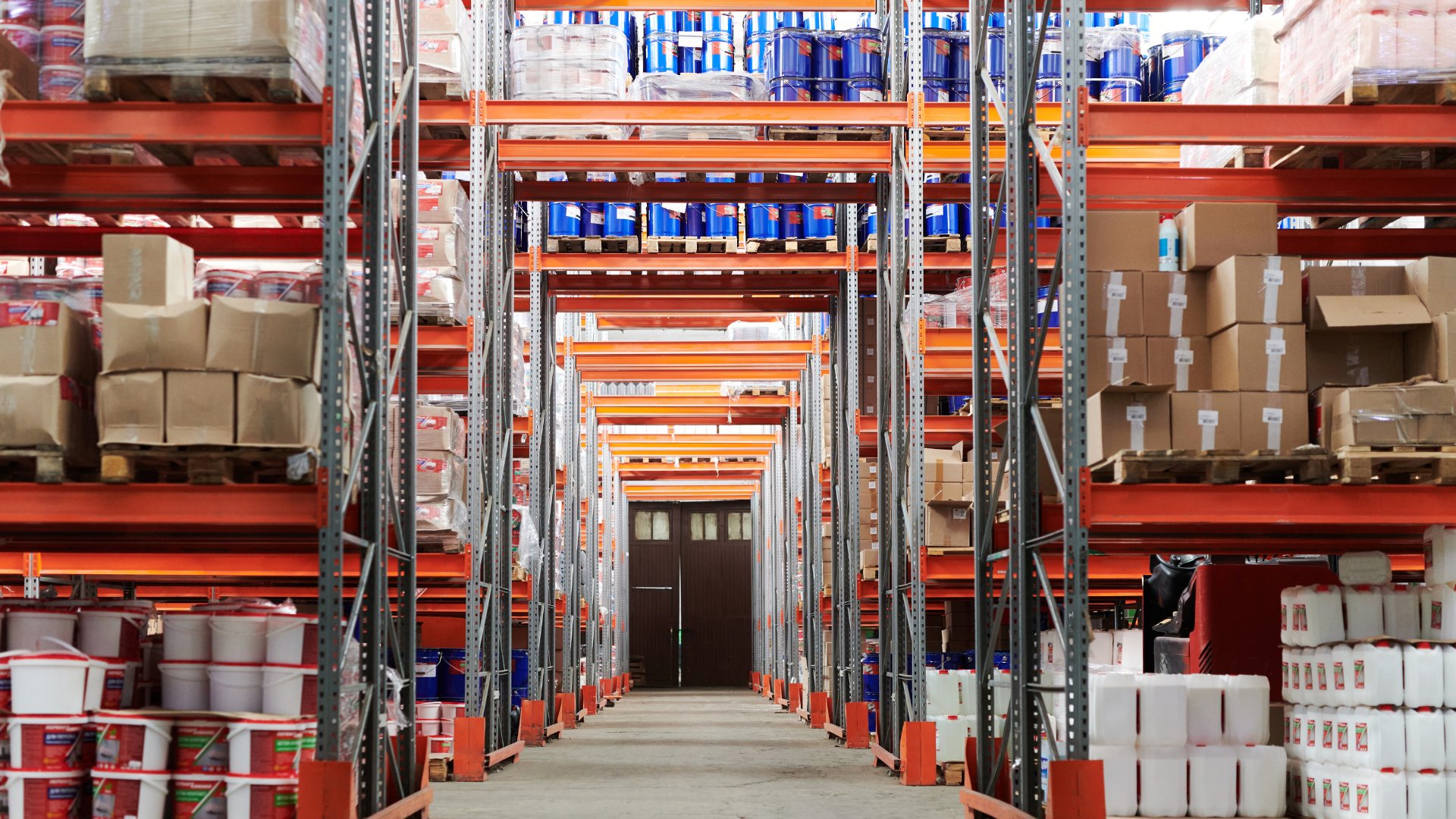
Your warehouse is a place where you store all of your inventory. But at the same time, it’s also a place that can make your business more efficient, so you want to make the most of it. How can you leverage the space in your warehouse? The warehouse is where your business begins, and it’s also where you make the big bucks. So, you’ll want to maximize the space and make your warehouse as efficient as possible. Warehouse managers often struggle with making the most out of their available space. Warehouses are cavernous spaces filled with pallets, racks, racks of shelves, and bins of materials. All sorts of work go into managing the items in a warehouse, with the biggest challenge being maximizing storage and ensuring complete supervision. For good supervision, managers can create an office at a location in the warehouse, from where they can oversee all the activities happening and keep track of what work is being done. For instance, they can set up a glass office at the upper level of the warehouse, with all the necessary furniture items like a desk, chairs, a sofa set, filing cabinets, cupboards, etc. (these items can be sourced from a company like office monster). Add in a few other things like a computer system, printer, and scanner, etc. When it comes to warehouse space and goods management, the top priority should always be the safety and security of stored goods. To ensure safety, managers can address various facility maintenance issues, such as repairing wall cracks, fixing damaged floors, and replacing leaky roofs with the assistance of commercial roofing Charleston South Carolina, or similar providers elsewhere. These measures can safeguard products from external factors. In terms of security, managers can implement surveillance cameras, alarm systems, and access control measures to protect stored goods effectively. Warehouses, by their nature, are big. After all, they’re full of boxes and other storage components. So, what can you do to make use of all that space? Here are some ways: Utilize Vertical Space: Stores use vertical space to minimize the amount of floor area that they need. So, why not do the same in your warehouse? Stack your boxes high to maximize the amount of vertical space in your warehouse. Keep Inventory Organized: When items are stacked on top of each other, it’s easy to damage them accidentally. To avoid this, your inventory should be organized in a way that allows you to access your supplies easily. Use equipment such as forklifts and platform ladders to reach the supplies stored high. Hire Self Storage Units: At times when you have a lot of influx of orders, it is best that a commercial storage facility is hired. This could be way cheaper than hiring an entirely new warehouse as you would only need to pay for as much space as your products are taking. Group Related Items: As you group supplies together, you’ll be able to find items easier. To accomplish this, assign labels to different boxes and stack them high. As for the items, group similar items together. Use Display Racks: Display racks are ideal since you can place them near your storage area. Having the right display racks on hand in a warehouse can often give you access to underutilized space. Using display racks gives you the ability to organize and maneuver your wares without having to move your entire inventory. Leverage WES software: When you employ warehouse employees, you inevitably have to put systems in place to help them do their jobs efficiently. You need to make the best use of your warehouse space, even as you strive to ease pressure on your operations. Warehouse management software can help by automating many operational functions. WES software, for example, helps to streamline inventory management through the automatic creation of orders, the tracking of inventory in warehouses, and the monitoring of inventory levels. The system also integrates with enterprise resource planning (ERP) systems, which help you manage all business activities. Warehouse Optimization Challenges In the warehouse, keeping everything organized can be a challenge. Workers have so much to get done that they don’t have time to constantly go back and forth, looking for key items. They need to find what they need and get back to the job, which often means using efficient methods. When workers can’t find what they need, productivity slows down, and turnover increases. This not only hurts your business, but it also hurts the workers’ morale. Should Consider a Systems Integrator The modern supply chain is more competitive than ever. With only 24 hours in a day, companies need a way to increase efficiency. Distribution centers and warehouse teams need to adopt new solutions to leverage their resources. Warehouse space is a precious commodity, and finding ways to utilize space efficiently can help maximize overall profits and productivity. One of the ways to achieve this is to use the floor surface more efficiently and leverage technology through warehouse systems integrators. Optimizing your warehouse’s space is easier said than done. Not only do you have to determine how and where to store items, but you also need to take note of how much available area you have. Additionally, you need to figure out if another commercial storage space would be needed in order to store the surplus. Strategically storing and moving around items can help you maximize your warehouse space, and can eventually save you from a lot of worries. Whether you own a warehouse, distribution facility, or auto parts store, space is a critical component of your operations. However, if you’re like most business owners, you may not have a lot of space to work with. The good news is you can maximize the area you do have, as long as you’re smart about how you go about making your space work for you.

What Should You Include in Your Packaging?
Packaging is important. It influences consumers’ overall experience. Remember, customers tend to judge a book by its cover, and hence enough thought should be given to the packaging of your product. Here’s What Should You Include in your Packaging: The Products’ Functionality The packaging needs to be clear and easy to understand. It is vital to make sure you’re highlighting the key features of the product inside the packaging. To do this, you need to show your product in action, highlighting strengths that customers will most likely need. Try to include images describing the key features that will help customers instantly connect with your product and understand what you are offering. Packaging is like your product portfolio and this is where you should invest the most time and energy. You can even run a Package Test before finalizing the design. This information will allow you to determine whether your customers received what you intended them to receive. Two-Color Packaging Many products use a two-color packaging design, as this is very eye-catching. Apparently, with the rising popularity of online shopping, brands are using packaging to distinguish themselves from their competitors, as well as to enhance the customer experience. All businesses must stay abreast of consumer trends to make meaningful changes to the packaging process and ensure that their products appeal to new demographics. However, packaging can get expensive for businesses as every milligram of wasted material costs money. Nevertheless, keeping the cost factor aside, it should be durable, unique, and visually appealing. Studies have shown that using custom boxes with logo prominently featured produce more sales and provides a better unboxing experience to buyers. Your brand instantly becomes more memorable with the right packaging. It also helps in distinguishing your brand from all the others in the market, thereby increasing brand awareness. Use Of 3D Design Using 3D Custom Packaging could be extremely eye-catching and functional since 3D modeling has widespread applications. This recent surge in popularity coincides with the growing use of the internet, thanks to the rise of e-commerce and digital marketing. The demand for high-quality 3D designs has led to an increase in demand for 3D modeling companies. It is better to go for a 3D solution rather than 2D. Besides, it will also provide better branding and look of the product. Good Packaging Design Good packaging design will help consumers recognize and remember the packaging of the product. A good design needs to pay attention to layout, color, and visual effects. A well-designed packaging must also emphasize the purpose of the product, highlight its key features, evoke a sense of quality, and make the product look visually appealing to the masses. In case you are having a tough time getting your labels to stick to the boxes, you can use packaging tape. Packaging tape is a rubber adhesive that can hold your labels on boxes. It works great for low-volume labeling, and if you want for high-volume labeling, you may want to look for stickers for that matter. You can get custom die cut stickers printed with the business name and logo, which can be used on product packaging or you can also give those away as a part of added merch to promote your company and services. Use Hashtags Make sure to include a hashtag, especially if you’re in a niche market. Using a hashtag encourages customers to share photos of your products on social media, tagging that particular hashtag. You can also use hashtags as a marketing tactic, sending them out on Twitter and other platforms to promote your brand. Packaging hashtags is a quick way to reach your target audience. However, remember that your hashtags should match your business, so consider your brand, audience, and product before shortlisting a hashtag. Product packaging is something that often goes unnoticed. However, it is a vital part of your business. Packaging provides protection and safety to the products during transportation, storage, and distribution. You can use a variety of materials such as boxes, cartons, tubes, bags, barrels, and drums, for your packaging needs, depending on the product you are selling. Though the packaging might not be as important as the product itself, it definitely helps. Hence, make sure that your product packaging is informative and eye-catching, and clearly communicates your company’s message to your audience.

Catering Businesses: What To Consider When Starting Up
A catering business can be a fun way to earn extra income, but before you get started, there are some important factors to consider. The catering business you choose should fit your style and your goals. Self-employed catering business owners are responsible for all their business expenses, including their own taxes. However, the benefits of being a catering business owner outweigh the downsides, especially in the long run. Starting a catering business is an exciting venture. You’re working for yourself, saving money, and doing something you love. However, it is a lot of hard work with little time off. For example, it may be necessary for you to figure out what your specialty will be, where you should set up, what infrastructure is necessary, whether or not you should look into refrigerated van hire options, which locations you will hire and how to hire workers, among other things. So it’s important to consider all aspects of it before starting up. This guide to starting a catering business will take you through the considerations you need to make before opening your doors. Find Your Specialty Every business needs a caterer! Catering can be for backyard gatherings or corporate events. It’s one of the best businesses to start. Why? Catering is based on serving people food. Not everybody wants to do all the cooking themselves. It is not for everyone. However, catering is a business that people will always need. If you’re dreaming of starting a business, there are a lot of things you’ll need to consider. You’ll need to figure out a focus, decide on the legal details, and find a suitable name. But one of the most important details to consider is your location. A catering business, much like a storefront food business, needs to be located in an area where people are likely to walk by often, so you’ll want to think about locations with high foot traffic. Researching Customers And The Competition A catering business is one of the many businesses you can start up without very much capital. The truth is that most people who start a catering business do not, in fact, need a lot of money to start up, but they will still need to invest time and energy. If you are thinking about starting your own catering business, the process can be fun and scary at the same time. By researching customers and the competition, you can increase your odds of success in the catering world. Wondering how this can help? Well, there are several instances where restaurants have succeeded solely because they researched the demands of their potential customers. It led them to create trendy décor and food menu that is relevant to the current trends. In addition, restaurant owners also have the option of employing digital signage offered by the likes of AtmosphereTV to advertise their unique menu ideas along with curated streaming content to keep customers engaged. The cumulative effects then translate to rise in footfall at these food joints, thus leading to satisfied patrons who recommend such eateries to their families and friends. Needless to say that the same can be done for catering businesses aiming to get success. But as said earlier, all this starts with researching customers. Investigate Local Licensing And Permits If you are planning on starting a business that caters to specific crowds, such as children, teens, or the elderly, you may be required to look into permits and licensing. The requirements vary by state and type of business, but it is important to look into this early on. Food trucks have been popping up on street corners all over the country, and more people are discovering just how delicious they can be. So, it only makes sense that someone might want to start a catering business of their own. And starting a catering business requires a lot of planning before jumping in, particularly if you plan on hiring employees and renting commercial kitchen space. A catering business requires some special permits required to operate, like licenses and permits like food and valid fire license, which would come into play only when you have fire systems (like the https://serphomeliving.com/commercial/fire-suppression-maintence/) in place. Create Your Menu You’ve thought about starting a catering business for years but finally took the leap. You finally have your first catering event booked. Now what? With an entire year to plan, create, and market your business, incorporating your menu and price points will be one of your top priorities. Creating a catering business menu can be a tricky task. Do you stick with your signature dishes or try new things? Should you open your business to the public or only cater to weddings? The answers to these and more will determine the success of your business. Many caterers rent space at a local catering hall, but there are many other options to consider. Plan Your Location Starting up a catering business can be easier than you would think. When you have the right location, good food, and a well-thought plan, you can start earning a steady income in no time. However, you also need to factor in the extra expenses that cannot be avoided in this particular business. For instance, the cooktop or chimney can start acting up at any time, requiring immediate repair. Besides, you might also need to schedule Restaurant Hood Cleaning in Wilmington, NC (or wherever your restaurant is based) to maintain its cleanliness. Before starting out, it is important to consider these catering business tips. But the catering business itself is not for the faint of heart. You not only have to take into consideration the expenses, but you also have to come up with business plans, market your services, and figure out how and where you’re going to sell your food. Choose a business location that best suits your needs and your customers’. Businesses can be located in a strip mall, large business, warehouse, or even your home.

Why Health and Safety are Important in Warehouses
Health and safety are about promoting healthy and safe workplaces. By this, workplace safety is not reduced only to reducing the risk of accidents. Instead, it also includes offering a positive working environment that everyone can feel good about. With health and safety being an important part of warehouse operations, it is essential to maintain health and safety standards. Unsafe and unhealthy working conditions can lead to deleterious effects on employees. Workplaces that focus on health and safety tend to experience fewer incidents, improved productivity, and a better work environment. Here’s Why Health and Safety are Important in Warehouses: Workplace Safety Helps Keep Warehouses Running Smoothly Health and safety are very important in warehouses. A warehouse that abides by health and safety rules is more functional and productive than one that does not. Furthermore, employees will be happier working in a warehouse that offers necessary benefits. It Will Not Only Protect Your Staff from Harm But Will Protect Your Clients Safety strategies will not only protect your staff from physical harm but will protect also your clients’ goods. Proper health and safety procedures will help improve safety as well as increase workplace efficiency. Very Basic Requirements for Warehouse Management Warehouse safety is a very basic requirement for warehouse management. Warehouse managers should constantly monitor workers who are working in the warehouses. They should be tuned and monitored during operations. They should also be made aware of the possible risks and hazards of warehouse operations. If need be, they should undergo a training program, which can be opted from firms like Safety Management Group, where they can learn about the potential threats and the possible ways to combat them. Warehouse managers must recognize and identify hazards and risks. They need to set, review, and revise necessary control measures and carry out regular inspections. They must regularly review their health and safety procedures. They must ensure that all employees are trained and competent to do this work. Avoid Accidents. Health and safety are important in the warehouse because if an accident happens, a person can lose their life as well. It is not a matter that the Warehouse Manager has the responsibility for keeping the warehouse environment safe and providing proper training to the staff. A company can also start a training program for their employees by looking for an Online Safety Training course that can equip the employees with OSHA safety guidelines and prequalification tests. Moreover, such consultancies can also help to run inspections and assessments throughout the warehouse for the health and safety of workers within the workspace. Warehouse managers also need to ensure that all procedures required by the law are observed in the warehouse. Lack of adequate health and safety measures can lead to accidents in the workplace, resulting in people getting hurt. Warehouse employees are unlikely to have access to company vehicles, so knowing your limits and being safety conscious is important. Being alert on the job is also crucial for injury prevention. Of course, employees can file for compensation with the help of workers’ compensation attorneys from firms like Goin Law Group. In any case, employees ought to know the safety measures and workers should know their legal rights. Lack Of Safety Can Cause Major Losses Warehouses are complex places filled with hundreds of thousands of different objects, areas, and doors from people like these fiberglass door suppliers to enable access to the various parts of the warehouse, and even help keep what’s inside certain rooms safe. They are crucial to business, but like any workplace, they can have their dangers. Lack of safety can cause major losses, so warehouses must protect their employees and their inventory. Health and safety are important in the workplace because accidents cost companies money and also make the employees feel uncomfortable. They can cause injuries, mental stress, and in a worst-case scenario, death. Warehouse Safety Is Critical. Warehouses employ millions of people each year for tasks including picking, packing, and shipping. These tasks can be very dangerous, and any warehouse that is not taking the right steps to ensure its employees’ safety could end up facing serious legal consequences. Warehouse safety is essential for employers and their employees alike. Most warehouse accidents occur from a lack of planning, training, and supervision. Any warehouse safety program should consist of the following: Training. All warehouse workers should be thoroughly trained in warehouse safety. Training should take place prior to starting work. Workers should learn all warehouse safety rules and procedures. Supervisors should conduct regular safety inspections and monitor employee safety. The warehouse safety program should be reviewed at least annually by warehouse management. Health and safety are very important in warehouses. Warehouse workers often have to lift heavy objects, and without the right equipment, it can be dangerous. Warehouses should equip their employees with a proper lifting belt to help them lift heavy objects safely and avoid injury. Warehouses should also have proper lighting to keep employees safe in intense work environments. Health and safety are vital in the warehouse so that you can get better at your job and that nothing goes wrong. Safety is a top priority in any warehouse, and without safety, you cannot have a good work-life balance.