

Launching your own business can require more equipment than you may have imagined. This is especially the case for start-up companies or those looking to grow and expand their supply chain. Below are some common pieces of equipment that come to mind when thinking about warehouse equipment. If you’ve recently decided to get into the warehouse business, you’re probably tripping over supplies to buy. There are so many different pieces of equipment that you’ll need and so many prices to consider that it can be intimidating. But it doesn’t have to be that way. You’ve finished your warehouse design and are ready to begin the build, but before you do any construction, you should have an essential list of tools and equipment you’ll need to complete the warehouse process. Importance of Warehouse Equipment Warehouses are the backbone of any successful business. Without a warehouse, there would be no way to distribute products to retailers and consumers. They also employ many people, so ensuring their proper function is essential. Warehouses are where the bulk of goods are received, stored, and distributed, so they need to function effectively and efficiently. This checklist covers the most common items needed for a build-out. Here Are the Essential Equipment for the Warehouse Pallet trucks – Pallet Truck is up to the task. The Yale 18-4C is exceptional at moving all types of loads, from extremely heavy to lightweight materials, in warehouses, retail settings, and other industrial environments. Forklifts – Forklifts are an essential component of a warehouse. They are utilized to move materials or products, from one location to another. They are used at warehouses, distribution centers, retail stores, hospitals, and manufacturing plants. They are powered by electric motors or internal combustion engines and come in many types, including sit-down, stand-up, narrow aisle, rough terrain, and telehandler. Forklifts are constructed with different hydraulic functions, such as reach trucks, order selectors, pickers, lift trucks, and counterbalance trucks, all of which come with various attachments. They are an excellent investment for a warehouse. You can learn more about them in detail if you browse news websites that discuss heavy equipment. Reach trucks – Reach trucks are a mainstay in warehouses, allowing workers to reach a storage area that’s too high to reach with their legs. The trucks move vertically, with a maximum height of 45 feet. The operator sits in a cabin that swings up so they can reach the top shelves. Reach trucks are powered by electric motors, with batteries on board for backup. Shelving – Shelves are an important element of warehouse storage, and choosing the right shelving for your warehouse is often the difference between success and failure. To avoid any failures, make sure you are entrusting an experienced professional, such as those working at Dexion Anglia, with the installation of the shelves. Remember, shelves allow you to safely store your products and you could even stack them on top of each other for easy order picking. You can also use shelving to store your tools, office items, and office supplies. Industrial elevators – Multistorey warehouses also need elevators to move products up and down when storing and loading trucks. Industrial elevators can move items in bulk and are an easier way to reach other floors in the building. To install and maintain these elevators, businesses may need to consult a custom machine shop (see this article to learn more) that provides industrial equipment and other services. Packing equipment – To keep those employees as healthy as possible, it’s important to provide them with adequate equipment to help them do their jobs correctly. Proper packing equipment is essential, as it ensures that all products will be packed correctly and transported safely. Why It Is Important? Warehouses are a lucrative business, and warehouses are vital to the supply chain that keeps every country in the world up and running. Warehouses store and sell goods to consumers; without them, we wouldn’t have the products we use every day-even if they were sitting on store shelves. Warehouses hold millions of products; thousands of workers daily work together to ensure that shelves are stocked, and inventory is managed. In the warehouse business, product inventory is the basic and most important part of any business. When product inventory increases, the warehouse manager has to face many problems. Warehouse inventory management is the most important part of warehouse management. Since there are products constantly being moved in and out of warehouses, it’s also necessary for the warehouse to be cleaned thoroughly at regular intervals, to ensure the health and safety of all the workers. Using a Honda petrol power washer to clean up any dust and debris from the products and packages is hence a good idea. The frequency of washes would depend on the nature of the inventory that is stored at the warehouse. What Is the Basic Function of A Warehouse? Find a warehouse near you and take a tour. As warehouses have increasingly become a fixture in our everyday lives, it’s easy to forget that warehouses play a fundamental role in our society. They’re where everything in our everyday life is shipped from, from food to kitchen appliances to clothing. Our job is to ensure the warehouse functions efficiently and safely. The warehouse gives a lot of support to the business. Warehouses handle the flow of goods from manufacturers to distributors until they finally reach store shelves. In truth, a warehouse is a hub of activity. Workers move the product, prepare it for shipping, pack it, and ship it. They handle many tasks that are crucial to vendors and customers. Warehouses are one of the most important facilities for anyone who runs a warehouse. A warehouse equipment list is important to have, as it is a list of the most basic equipment needed in a warehouse. If you have a warehouse, you need to make sure you know what the essentials are and what you need to purchase.

Allowing Other Companies to Manage the IT Side of Our Business
As a business owner, managing the IT side of your organization can be a daunting task. It requires specialized knowledge and expertise that you may not have in-house. Fortunately, there are other companies out there that can help with managing the IT side of your business so you don’t have to go it alone. By sharing their expertise, you can make sure all your systems run smoothly and securely while giving you peace of mind knowing that someone else is taking care of the technology for you. Many businesses will, for instance, make use of digital virtualization services. This is because how we present ourselves online is very important when it comes to brand image and selling our products or services. If other businesses have the creative, design, and IT skills that we lack, then we should seek out such a service or B2B (Business-to-Business) arrangement. Using other businesses for IT support can mean the following: Benefit from the Experience of Others By entrusting the management of your business’s IT functions to a specialized company, like this Calgary IT support firm, you can tap into their extensive experience and expertise. These companies are well-versed in overseeing various IT solutions, ensuring your systems stay current with updates, patches, and security protocols. Moreover, they offer technical support as needed. This way, you can sidestep the hassle of handling the technological aspects of your business and instead concentrate on other managerial responsibilities. Acquiring the necessary expertise externally can often be a more cost-effective approach than hiring additional in-house staff, considering the various expenses associated with employment extend far beyond just wages. These encompass factors such as benefits and overheads, which should all be considered when contemplating the outsourcing of services like digital visualization. Secure and Efficient IT Management Seeking the best IT support Bedford through outsourcing could assure expert and secure management of the systems in your business. Companies that outsource their services generally possess the knowledge and resources to maintain all your IT solutions effectively while prioritizing security. They can also assist in a range of crucial IT tasks, including enhancing network security, implementing system upgrades, fortifying hybrid cloud security, and modernizing outdated data backups. Moreover, they excel in troubleshooting potential issues and offering guidance on optimizing your systems for peak performance. This way, you can focus more on managing other aspects of your business without worrying about managing the technology side. It is peace of mind to know that someone is taking care of the IT side of your operations apart from the fact that it is allowing more time for staff to attend to other areas of your business. Save Time and Money Outsourcing IT management to companies that offer IT managed services tampa, or in other locations, can also save you time and money. By having someone else take care of the technology, you won’t have to spend time managing it yourself. Furthermore, the cost of managing your IT systems this way may be less than managing them in-house. This is because other companies have the resources and expertise to efficiently manage IT solutions, whereas managing it yourself may take more time and money. If you are looking to streamline, have another business take care of some of your activities. Particularly those involving IT where specialist skills are required to achieve the best results. Services on Offer to Businesses Through External Sources When it comes to managing the IT side of your business, there are many services on offer from external sources. These include managing hardware and software, providing technical support, managing networks and security measures, and more. By outsourcing these tasks to other companies, you can ensure that all your IT systems are managed effectively and securely. We need particular expertise when it comes to hardware and the components it contains. Also, when it comes to the software that needs to be up to the job to protect from cyber attacks that exploit weak coding. Conclusion By allowing other companies to manage IT on your behalf, you can benefit from their expertise, save on time, reduce expenses, and focus on managing other key business areas that might otherwise end up neglected. It’s a smart move for any business owner looking to get the most out of their IT systems.
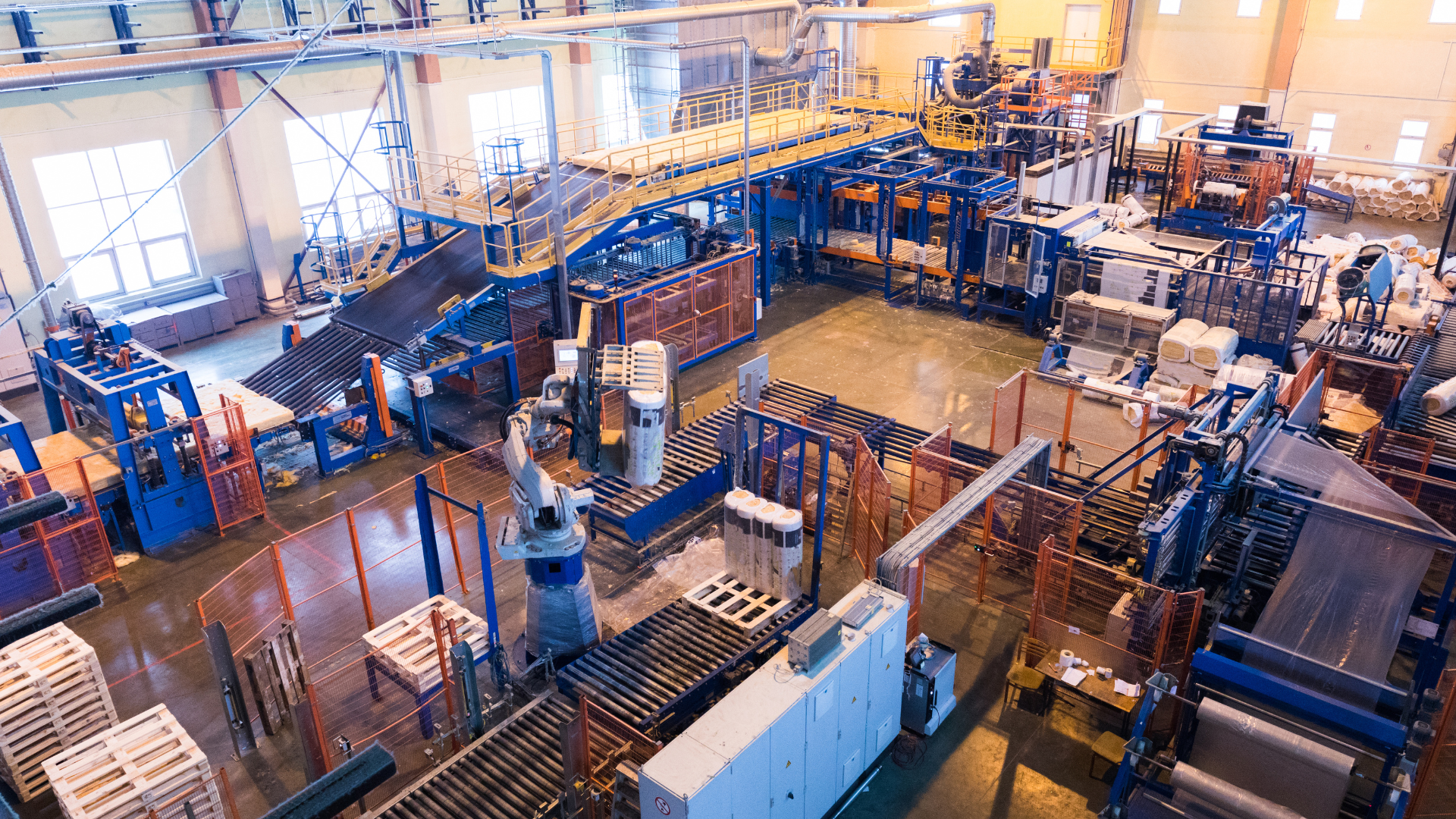
Logistics Industry: The Gateway to Manufacturing
Logistics is an integral part of today’s supply chain. It takes significant time and resources to make parts, ship them to various warehouses, and ensure they’re delivered worldwide on time. Without it, manufacturers would be unable to keep up with their demand! This blog post explores logistics companies’ role in the manufacturing industry. Overview of the Manufacturing Industry The manufacturing industry is the backbone of many economies, providing critical goods and services. The logistics industry is a vital part of the manufacturing sector, responsible for moving materials and finished products between suppliers and customers. In recent years, the manufacturing industry has undergone a major transformation. Technology advancements have made it possible to produce more complex products with greater precision and lower costs. Plus, with the use of scada systems, real-time monitoring, data collection, and analysis have become much easier, which has increased the ability of manufacturers to create more efficient systems of production. This has led to a resurgence of manufacturing in developed countries and the rise of new manufacturing hubs in developing nations. The globalization of the manufacturing sector has created new challenges for logistics companies. They must now be able to move goods quickly and efficiently worldwide. In addition, they must be able to manage supply chains that span multiple countries. Thanks to advances in transportation and communication technologies, logistics companies can now provide their customers with unparalleled service. They can also offer a wide range of value-added services, such as inventory management and just-in-time delivery. The future looks bright for both the manufacturing and logistics industries. As manufacturers expand their operations globally, they will need ever-more efficient and reliable logistics partners to help them move. The Production Process The production process is the most crucial part of any manufacturing business. It is the process of converting raw materials into finished products. Many manufacturing companies that produce electronic components, medical devices, and aerospace parts need to be particularly careful at this step of the process, as all of the fixings need to come together properly. The Production Process can be divided into three main stages: Raw Material Preparation: This stage involves the preparation of the raw materials that will be used in the production process. This includes cleaning, cutting, and measuring the raw materials. Production: This stage is where the product’s actual manufacturing occurs. This includes tasks such as assembly, welding, and painting. Quality Control: This final stage ensures that the finished product meets all quality standards before it is shipped to the customer. This includes tasks such as testing, inspection, and packaging. These processes in manufacturing can be upgraded and sped up with the help of automation and robotics, which can help a production unit to maintain the quality of the products and improve its services with technology. A manufacturing business could consult an automation parts and components supplier, perhaps one like EU Automation, to access the control equipment catalog, including PLC systems, servo drives, HMIs, encoders, soft starts, among many others. While technology and automation enable major advancements in manufacturing capabilities and quality control, the expertise and skills of human workers remains invaluable. A manufacturing facility relies heavily on experienced technicians, engineers, quality control specialists, and equipment operators. Their knowledge and competencies related to materials, mechanical processes, troubleshooting, and safety protocols drive overall productivity. As such, hiring skilled and reliable workers is a top priority. Partnering with a reputable industrial staffing agency can make the process of recruiting, vetting, and onboarding qualified candidates much smoother. Whether needing additional manpower due to expansion or needing to fill a particular specialty role, manufacturers can benefit from hiring skilled and dedicated workers. Role of Logistics in Manufacturing Process In any manufacturing process, the role of logistics is to ensure that materials and products are moved efficiently and effectively between different locations. This can involve anything from raw materials being transported to factories to finished products being shipped to retailers. Logistics plays a significant role in just-in-time (JIT) manufacturing, where goods are only produced when needed. Materials and components must be delivered promptly and without delays in this production system, as any hold-ups can disrupt the entire manufacturing process. An efficient logistics operation can help improve a manufacturing business’s overall efficiency by reducing lead times and ensuring that finished products are delivered on time. It can also help to reduce costs, as companies can take advantage of economies of scale by consolidating orders and using more efficient transportation methods. How Logistics Influences Manufacturing Process Logistics is critical to the manufacturing process, as it ensures that raw materials and finished products are delivered to and from factories promptly and efficiently. Without a well-functioning logistics system, manufacturers would be unable to keep up with customer demand or meet production deadlines. Logistics can influence the manufacturing process in many ways, from determining the most efficient route for raw materials to ensuring that finished products are delivered to customers on time. Manufacturers rely on logistics providers to streamline manufacturing processes and create and implement customized solutions that meet their specific needs. The role of logistics in manufacturing has become even more critical in recent years as global supply chains have become more complex. With factories now located worldwide, goods can be transported quickly and efficiently between different locations. This is only possible with a well-functioning logistics system in place. Manufacturing Logistics Solutions for the Future Looking ahead, the logistics industry will need to find ways to adapt and evolve to remain competitive. One way it can do this is by investing in new technologies that can help streamline operations and improve efficiency. Additionally, the industry must continue working closely with manufacturing companies to meet their needs. By working together, the logistics and manufacturing industries can ensure that production continues to flow smoothly, even in challenging times.

How to Sell Your Products Online (E-Commerce Essentials)
The world is quickly shifting from brick-and-mortar stores to online stores. Online shopping is convenient and offers an abundant selection of products and brands. In this blog section, we are going to shed light on eCommerce and how it works and help you decide if opening an online store is right for your business. What is eCommerce? Simply put, eCommerce is the process of buying and selling products or services online. This process comes in different forms: B2C (Business to Consumer): This type of eCommerce involves businesses selling products or services to consumers. An example of this would be a retail clothing website selling items to individual customers. B2B (Business to Business): This type of eCommerce involves businesses selling products or services to other businesses. An example of this would be a company that sells office supplies to other companies. C2C (Consumer to Consumer): This type of eCommerce involves consumers selling products or services to other consumers. An example of this would be someone selling a used car on an online marketplace. How Does it Work? First, you’ll need to set up a website or online store. This is where your customers will go to view your products and make a purchase. Ensure your website is properly optimized to provide a smooth and hassle-free experience to customers. Additionally, you may need a higher bandwidth connection to ensure that your website does not lag or jitter under high-traffic conditions. It may be helpful to seek assistance from Dallas internet providers (or other similar providers nearby) as they can provide a high-speed and stable internet connection. Once you’ve successfully tackled the technological foundations of your e-commerce venture, the next pivotal step is populating your digital shelves with your offerings. This phase demands meticulous attention to detail, as you should present your products with compelling high-quality images and comprehensive descriptions. This ensures that potential customers have a clear understanding of what they’re investing in, fostering transparency and trust. With your product portfolio in place on your website or online store, the journey shifts towards showcasing your merchandise to the world. Diversified online marketing strategies become your compass in this realm. From harnessing the potential of social media platforms to optimizing your website for search engines (SEO), and even delving into pay-per-click (PPC) advertising, your goal is to resonate with your target audience. Through a blend of trial and adjustment, coupled with potential support from a digital marketing agency los angeles or a comparable entity in another location, you’ll unearth the marketing formula that harmonizes with your business’s distinct requirements and resonates effectively with your customer base. Lastly, the culmination of your efforts lies in the execution of seamless order processing and efficient product shipping. This phase demands streamlined logistics, ensuring customer satisfaction by delivering their purchases promptly and in perfect condition. E-commerce Platforms and Sites E-commerce platforms and websites offer an all-encompassing solution for businesses looking to establish and manage their online presence. First and foremost, they enable you to easily showcase your products or services, complete with detailed descriptions and images. Next, they can help you integrate payment gateways to handle transactions and accept payments from customers. However, before proceeding, it can be beneficial for you to know what is payment routing and research online to understand its significance. Managing orders becomes a breeze, as the platforms centralize all purchase information, making it simple to process and track orders, update shipping status, and issue invoices. The functionality to monitor inventory levels is a valuable asset, allowing you to avoid overselling or running out of stock. Moreover, e-commerce platforms provide insights into customer behavior, helping you understand their preferences and purchase history, which can inform marketing strategies and improve the overall shopping experience. In summary, e-commerce platforms streamline the entire online business process, from product presentation to transaction handling and customer relationship management. Aside from e-Commerce platforms, there are also online marketplaces like Amazon or eBay. Marketplaces provide you with a ready-made audience of potential buyers, but they also take a cut of your sales. If you want to learn where to sell online or what are the top online marketplaces in your region, look for blogs and articles explaining it thoroughly. In that way, you can gain information about sites such as Depop, Etsy, eBay, Vinted, and more. You can also sell your products through social media platforms such as Facebook or Instagram. This can be a great way to reach a wider audience, but it requires more work in terms of setting up an e-commerce solution and promoting your products. Pros and Cons of eCommerce There are advantages and disadvantages of selling products online through eCommerce, and it’s advisable to consider these carefully before deciding if eCommerce is the right option for your business. The Pros: You can reach a global audience with an online store, which means you can sell to anyone and anywhere in the world. Your store is open 24/7, so customers can purchase your products at any time that is convenient for them. You can gather data about your customers’ buying habits and preferences, which can be used to improve your marketing and product development strategies. The Cons: It can be expensive to set up and maintain an online store, especially if you are using a custom platform. You are responsible for processing payments, shipping orders, and dealing with customer service issues – all of which take time and resources. There is more competition online than there is in brick-and-mortar stores, so it can be difficult to stand out. E-commerce is a great way to sell your products online, and there are many different platforms you can use to do so. If you’re just getting started, we recommend taking the time to conduct thorough research before committing to a particular platform or marketplace. Part of this research could be an analysis of which type of products do well on which particular platform, and why. You also need to consider your budget. Some platforms and sites can

Would You Make a Great Entrepreneur?
This year, you probably saw a friend or colleague launch their own business. Perhaps you watched a buddy post on Facebook and announced they were quitting their day job to become their own boss. Or maybe you were thinking about starting your own business. If so, then you probably have a lot of questions. The first question you should ask yourself when starting a business is: “Would You Make a Great Entrepreneur?” After all, entrepreneurship can be a lonely road filled with long hours of work and high expectations. So, does your personality fit the mold of an entrepreneur? Do you have the traits that are essential to success? Needless to say, entrepreneurs come in all shapes and sizes, from students and professionals to retirees. They can also be employees within an organization. Did you know that, as an employee, you could Buy your employer with as little as 5% down, provided they are selling their company? This presents a unique opportunity for individuals with the ambition to become business owners. That said, keep in mind that entrepreneurs are some of the most innovative doers. They often create a business out of an idea that may seem crazy to normal minds. But whether or not you’re an entrepreneur at heart, if you want to start a business, you will need to know a few things before you take the plunge. Do You Have What It Takes to Start Your Own Business? A majority of us are entrepreneurs at heart. We plan, design, and create something or an idea and then translate that into something practical. By being an entrepreneur, you are constantly working towards a goal, where progress is the only key. The sense of pride you feel after completing a task is empowering and this achievement is the ultimate motivation. For a lot of us, the idea of being an entrepreneur seems so out of reach. After all, it only seems feasible for someone with a trust fund or an entrepreneur parent. So, when a friend tells you he’s starting his own business, it doesn’t seem all that realistic. That being said, it is important to keep an open mind and seek opportunities to establish yourself as a strong business figure. If you don’t have the funds to start your own business right away, consider exploring the option of business franchising. For example, if you are curious about how the pet business works and its scope, actively look for companies offering a Pet Franchise Opportunity that you can take advantage of. Furthermore, consider diversifying your skill set and exploring industries that align with your interests and expertise. Networking within your chosen field and staying informed about emerging trends can open doors to potential partnerships or ventures. That being said, keep in mind that being a successful entrepreneur is not an easy path to take. You would not only be responsible for your business, finances, and assets but also for your employees and their livelihood. Furthermore, you would be held accountable in case of any workplace injury or accident. As an entrepreneur, it is essential to be considerate and smart enough to adhere to various safety regulations and compliance. To avoid potential accidents from occurring, you could consider seeking services like ICF Certified Inspections from Meritas or similar firms to ensure the safety and compliance of your business operations. This proactive approach not only safeguards your employees but also protects your business from potential legal issues. Good Health to Make a Great Entrepreneur Are you an entrepreneur trying to make your idea come to life? Then remember that good health is essential to making a great entrepreneur, so taking care of your mental and physical well-being is important. When we talk about a person who has good physical and mental health, I’m sure you normally think of someone who has lots of kids, lives on a farm, or lives a healthy lifestyle. Well, I am here to tell you that it is really common for this person to be an entrepreneur. And it’s not because entrepreneurs like to exercise or eat well; rather, they are excellent at time management, goal-oriented, good at seeing the big picture, and know how to get things done. Self-Control These days there is an increasing tendency for people faced with a complex problem to try to find the quickest, easiest solution. This is surely one of the many reasons so many people are falling into the trap of looking for a quick-fix solution to their problems. Self-control is a skill that, once learned, can be used to achieve almost anything. That’s true whether you’re a parent, a student, or an executive. In business, self-control is just as necessary, if not more so. Self-Confidence Being self-confident and being an entrepreneur aren’t the same thing. However, self-confidence is an essential quality to be an entrepreneur. If you feel like you lack confidence, you can practice certain habits to get better at that. Researching and learning about successful entrepreneurs, their backgrounds, journeys, and works can inspire you and build self-confidence. Say, for instance, if you come across Tom Spicky’s profile, and get to know how he has overcome obstacles and self-doubts, it can motivate you to believe in yourself and your abilities more. As you read about similar entrepreneurs who pushed past their fears to turn an idea into reality, it may help strengthen your self-assurance to pursue your own goals and dreams. In today’s competitive business environment, entrepreneurs are forced to leave no stone unturned in order to stay ahead. Often, the innovativeness factor plays a pivotal role in making or breaking an individual. Amidst all this, it is only confidence that keeps the person going. It is nearly impossible to find a successful entrepreneur who does not have a sense of urgency. You just have to look at the success stories of the big entrepreneurs of our time. There is a common excuse every entrepreneur hears from their friends, family, or co-workers that “the market

How to Scale a Small Business Successfully
In this section of the blog, we discuss how to grow your small business; for instance, by increasing your customer base and revenue. We’re going to break down these topics, discuss the key issues you should be aware of, and offer some tips on how to increase your chances of scaling successfully. What Does Scaling a Business Mean? Scaling a business means growing the company in a way that is sustainable and profitable. This can be done by expanding the customer base, increasing sales, and improving efficiency-all of which require practical goal setting and the creation of a clear, actionable plan. Why It’s Important to Scale Aside from the aforementioned increase in sales, expanded customer base, and improved efficiency, here are the other benefits of scaling a small business. Significant boost in revenues and profit Improved brand recognition Expansion into new markets When to Scale You don’t want to wait too long to scale, or you will miss out on opportunities. But you also don’t want to scale too early, or you will waste resources. (More on this in the next section.) If you’re not sure when the right time is for you, then you could always consult with a small business advisor Alberta, or wherever your business is based, to get a clearer picture and make the decision. Generally, the best time to start scaling your small business is when you see consistent growth. This could be in terms of revenue, customers, or any other metric that is important to your business. In other words, if your products or services are in high demand and you have the necessary infrastructure in place to support a larger customer base, then it may be a good time to start thinking about scaling. How to Scale a Small Business Successfully Set a Goal and Create a Plan First, you need to have a clear vision of where you want your business to go. What are your long-term goals? What are your objectives for growth? Once you have a good understanding of your goals, you can start putting together a plan for how to achieve them. This includes having a detailed budget and forecast for your expansion. Additionally, you may need the assistance of a business banker in jacksonville (or wherever you live) to help you plan your finances and obtain a loan. Put the Right Team in Place Next, you need to make sure that you have the right team in place. As your business grows, you will need more people to help support the growth. Make sure that you hire people who share your vision and who are excited about helping your business reach its potential. This could also mean training your existing team on how to handle a larger workload. Create a Better Space A crucial aspect of successfully scaling a small business involves creating an environment that supports growth and innovation. As your business expands, your workspace should also evolve to accommodate the changing needs of your team and operations. Consider renovating your office space to optimize functionality, efficiency, and overall aesthetics. A well-designed office layout can foster collaboration, improve workflow, and enhance employee satisfaction. Shore Up Resources and Prepare to Invest You need to be prepared to invest in your business. Scaling a business takes time and money. You will need to invest in marketing, product development, and other areas that will help support your growth. If you are not prepared to make these investments, it will be difficult to successfully scale your business. Determine the Most Suitable Strategy for Scaling There are many different ways to scale a small business. The best way to do it will depend on your unique business and what will work best for you. It also depends on the kind of audience you want to attract. Many businesses these days will seek out Cross & Multi Cultural Consulting to expand their brand’s appeal to various emerging segments in the market. Your strategy depends entirely on what direction you want your business to go in. However, here are the two most common ways of doing it, for businesses that are scaling for the first time. Expanding the product line: The most straightforward way you can scale your small business is to expand your product line. If you sell products, you can add new products that complement your existing ones. This will help you reach new markets and customers. Expanding the geographic reach: Another way to scale is by expanding your geographical reach. If you only serve customers in one area, you can start serving customers in other areas. This can be done by setting up shop in new locations or even setting up your brand for franchising. What are the Potential Drawbacks of Scaling? As we said, if you scale too quickly, you may not be able to keep up with the demand for your products or services. This could lead to unhappy customers and a decrease in sales. Moreover, if you do not have the right team in place to support your growth, you may find yourself overwhelmed and unable to effectively manage your expanded business. Another potential drawback of scaling is that it can be expensive. If you need to hire additional staff or make significant upgrades to your infrastructure, these costs can add up quickly. And if you are not careful, you may find yourself taking on too much debt to finance your expansion. This can put your operations at risk if you are unable to make your loan payments. But, by taking the time to properly assess the opportunities and prepare for the challenges, you will be in a much better position to take your company to the next level of growth through proven processes of scaling a business.

4 Supply Chain Mistakes And How To Avoid Them
Supply chains are complex, and often, professionals in the field may not have sufficient knowledge about their own industry to administer a successful and efficient supply chain. This highlights the importance of supply chains, often referred to as the heart of a business. A supply chain is a series of activities linking suppliers to all other parts of the business. In the supply chain process, the flow of products is a recurring pattern, and the common factor is that the flow of materials, information, people, and money has to be uninterrupted. When companies source internationally, this can often be hard to do, which is why they turn to sourcing agents such as those found at https://uniway-sourcing.com/ and similar websites to maintain and manage a continuous supply on time. There are, however, other factors that also need consideration. Consider the example of industries such as farming, where livestock meat is produced and sold. Effective supply chain management ensures a seamless and efficient process from farming to the end consumer. While supply chain management is crucial, a key factor that shouldn’t be overlooked is marketing, as it can be a game-changer. Fortunately, services like Livestock Sales by Anglia Quality Meats, or similar associations, can significantly enhance your marketing efforts. These services tend to specialize in promoting and selling livestock products, bridging the gap between production and consumer demand. That said, the main goal of a supply chain should be to ensure that products are produced on time and under budget. The proper functioning of the supply chain is like a game of chess, and to win, we need to know all the rules. Here are the four supply chain mistakes and how to avoid them: Lack of Plan for Business Disruption A firm’s supply chain is about to undergo a disruptive change. If you are unprepared, you could lose out on future business. We are in the early stages of a new global economic model, and we’ve already seen it happen in the retail and electricity industries. And the latest industry to be disrupted is transportation. In a way, business disruption is a blessing in disguise. If you’re not prepared, it can cause you to lose a lot of money and time. The best way to prepare for business disruption is to think through your response to it. Otherwise, outsourcing the logistical processes to an external service provider, like Shape or a similar company, can help take this responsibility off your plate. Outsourcing these operations allows you to hand over the reins to professionals who are more likely to account for any business disruptions, and accordingly have a backup plan in place. Disregarding Supply Chain Data Supply chain issues have long been a problem in the supply chain management community. By far, the most common mistake is overlooking supply chain data, with managers failing to ensure that their supply chains are working efficiently. The supply chain is vital to any company and can be one of the most exciting, fulfilling, and challenging places to work. The supply chain process requires consistent and accurate data to provide the right goods to the right people at the right time. If this data isn’t accurate, it can severely impact the supply chain process. It’s no secret that supply chain management is an important topic and a growing concern for many companies. There are many things you can do to improve your supply chain management, but most of them won’t happen without the proper tools. One of the most important tools is data, and the more you have, the better you can understand how your supply chain is performing. The most effective way to get data is to gather it from as many sources as possible, but it can be difficult to do it manually. So, your business should employ the use of the best system for retail warehouse management it can find. This is simply because it could compile all relevant data and information in inventory and supply volumes accurately. Besides, it could help optimize and simplify other processes as well. Poor Customer Service Management When you deal with an unhappy customer, you want to make it right-even if it means spending a few extra hours on getting the customer a new product or a quick phone call to get your team’s attention. Unfortunately, not every business owner is adept at good customer service. Instead of taking the time to address a customer’s concerns, some companies just let the matter go to the customer. There’s no arguing that good customer service is crucial to a company’s long-term success. If a business fails to provide an excellent customer experience, its customers will turn to another one, which will then mean that they will lose out on business, and so on. In order to provide a superior customer experience, a company needs to think about how it interacts with its customers, including how it communicates with them, what it says to them, how it behaves towards them, and so on. A company should also make sure that it provides an excellent service level, regardless of what type of service it offers. Unsuccessful Cost Reduction How do you cut costs in a supply chain? Most people would answer by decreasing the number of suppliers, and some say you should do this by seeking out cost-effective manufacturing partners overseas. While this may be a good idea, many supply chain managers opt for a different approach. Rather than trying to reduce the number of suppliers, they focus on reducing the total cost of their supply chain by doing things differently. Supply chains are complex systems operating on many levels and touching every industry and organization in our world. We spend a lot of time interacting with them.

What is Quiet Quitting & Why are Employees Doing it to Avoid Burnout?
The term quiet quitting has been floating around for a while now, but what can employers and employees do to make the workplace a productive but caring one to avoid burnout?
quiet quitting, business, mental health, burnout, employees, employers

Wanting an Extension on Your Home? Make Sure You Know Your Rights
Are you thinking about extending your home? If so, there are a few things that you should consider before doing that. With a decent budget, you can add an extra room, a conservatory, or even a whole new wing. What happens when you become unexpectedly unemployed? Or when you’ve started a new job and aren’t sure you’ll be able to carve out the time to enter your new house? Or when there’s just something you’ve always wanted to do, but it’s getting harder and harder to squeeze it in between work, life, and parenthood? Fortunately, there’s an extension on your house you can use. However, a planning permission is needed for these extensions to be built. And, if it has already been granted, there are certain rules that you have to follow. It’s important to know your rights before requesting an extension. It allows you to pay off your mortgage interest-free over extra time. Before requesting an extension, ensure you have all the financial information ready, calculate how much you can pay each month, and have proper knowledge about your loan. If you cannot pay your mortgage, the lender might decide to foreclose on your house. Things You Need to Know Before Building a House Extension Extending your home to increase its market value is a common practice among homeowners, but before you start off with it, there are some important things you need to know. Home extension projects are quite complicated and require extensive planning. Make sure you know what you are doing and follow all the guidelines set out by local authorities. It’s also advisable to hire a qualified contractor and even a land surveyor (from C&A Surveyors Sydney, for instance) to prevent you from making legal mistakes, such as building on another person’s land. Value If you want to increase the value of your home, the old adage about real estate holds true today as it did years ago-location, location, location. It’s usually a good investment to purchase a property close to where you work, or in the case of homeowners, your residence. A house extension, or adding a second story to your existing house, is often a cost-effective way of increasing the value of your home. Cost Building a house extension can be costly, so it is important to consider all the factors involved. You need to consider how much the extension will cost, how long the project will take, and the additional expenses (if any). To get a fair estimation of the costs involved, you can get in touch with a company that provides high-end house renovations and have them give you a quote. Time There are several things you need to consider before building an extension on your home, and one of them is time. Building an extension on your house can take several months, and while that might sound tedious, it should come as no surprise once you realize the amount of work that goes into building a house extension. Quality This is your home, and you are hiring a general contractor in atlanta (or one elsewhere) to make the most of the space for your long-term enjoyment. You’ll need to plan according to the city or county so that you can figure out the easement of the location. That’s not the only thing you’ll want to be aware of before you start building; you also need to know if you’re in the right zoning district to build an extension legally. Space While adding an extension to the home can be a great idea, you may need to first figure out whether there is enough space or not to carry out the project. Consider the extra space keeping in mind the space required to set up the scaffolding, wherein the professionals such as those found on https://burflex.co.uk/ and similar sites would build up a temporary structure, so that the construction can be carried out smoothly. Nearby properties An extension can impact the neighbors in terms of noise, light, and smells. To minimize the impact on neighbors, consider building an extension that allows natural light to flood in or one that faces the road, where noise from passing traffic is minimal. It’s no surprise that many homeowners want extensions. Not only can it be a great investment, but it can also let your home grow with your family and your needs. The benefits of an extension are numerous: extra space, more natural light, and a better flow between the inner and outer space of your home. When you build or buy a home, you normally sign a contract, and that’s the end. But many people don’t realize that extensions require planning permission by law. While that doesn’t mean that your application will be guaranteed, it does mean that you have a greater chance of securing consent. Therefore, you must know the ins and outs of what an extension is, what rights you have, and what’s involved in securing planning permission.

How Can You Keep Your Staff Safe in the Warehouse?
Warehouses can be dangerous places. Employees have to work long hours on their feet, while forklifts are operated in close proximity to employees and materials. Warehouse accidents can result in serious injuries and even death. Hence, safety is important, and keeping your warehouse employees safe should be a top priority. Warehouses are busy places, and operators are tasked with safely shipping, receiving, and maintaining inventory. Besides the constant traffic, there are often numerous vehicles coming in and out of the work site, forklifts and pallet jacks moving everything around, and a lot of heavy lifting. It’s vital to remember that warehouse employees have the right to a safe working environment. While safety measures can significantly reduce the risk of accidents, it’s also important to be prepared for the unexpected. In the event of an unfortunate accident, employees may think of consulting a legal professional from firms like Larrimer and Larrimer to ensure that their rights are protected and their claims are granted. Therefore, employers need to proactively establish comprehensive safety protocols that adhere to industry standards and regulations. These protocols should encompass proper training for all employees, regular equipment maintenance, and clearly defined emergency procedures. By fostering a culture of safety awareness and diligence, employers can prioritize the well-being of their warehouse employees and mitigate potential risks. Here Are the Tips to Keep Your Employees Safe A warehouse is a hazardous place, so workers need to be as safe as possible. Follow these six tips to improve your warehouse safety and help keep your employees and customers safe: Put safety first. Safety in the workplace is actually very important. It is imperative that the company operating the warehouse create a safe environment for workers and set precautions in place. Further, ensure that your workers have undergone First Aid at Work Requalification (2 Days) training, or have been taught how to deal with accidents with the help of basic medical practices can assure better safety and wellbeing of all employees. Inspect the equipment regularly. Warehouses can be dangerous places to work, and storing flammable and hazardous materials in certain spaces increases the risk of an accident. To keep your workers safe, inspect warehouse equipment for hazards and work safely around them. Warehouse maintenance. When managing a warehouse, regular upkeep is essential. This includes timely repairs of walls, flooring, and roofs (with the help of a Commercial Roofing company), which can significantly reduce the likelihood of unfortunate accidents and keep the staff safe. Wear protective gear. The warehouse environment can be fraught with hazards. Warehouses are busy, chaotic places, and workers may constantly be moving around on concrete floors in bulky work boots. The gear you wear can protect you from injuries or harm. Safety starts with selecting the right pair of work boots and protective equipment. Wearing the appropriate footwear helps to prevent accidents like falls and slips, as well as sores and blisters. Insulate electrically risky areas. Insulating electrically risky areas is a key strategy that can significantly mitigate the risk of accidents. By identifying and marking areas with high-voltage equipment, live wires, or electrical panels, you create a visual reminder for employees to exercise caution. Consider incorporating solutions like Insulated rubber matting from EINTAC, which offer an added layer of protection against electrical shock. To take safety a step further, integrating specialized tools can make a substantial difference. Keep aisles clear of debris. Warehouses are dangerous places to work, even if you aren’t physically handling dangerous materials. When items are stacked too high or aisles are too clogged with debris, warehouse employees can encounter major risks. To help keep workers safe, facility managers should schedule regular safety inspections and implement safety protocols such as keeping aisles free of debris, utilizing proper safety signs, and complying with OSHA safety guidelines. Use safety guards. Warehouses can get hot, cold, noisy, and crowded. Use safety guards around heavy machinery, forklifts, and conveyor belts to keep your employees safe from harm. Moreover, this can also help to increase employees’ productivity. Report all hazards. Safety in the workplace is crucial. When employees head back to their place of work, they should be in an environment that is safe and free from hazards, so that they can focus on their work and not on potential hazards. Warehouses are dangerous environments to work in due to the number of moving parts, extensive storage space, and high noise levels. Employees should be trained on the hazards of an 8-5 workday, and they should be equipped to handle the high risks of work that needs to be done. Warehouses need employees that are trained, safety-conscious, and committed to keeping everyone safe. Promote Awareness. Although accidents are relatively rare at a warehouse, injuries are all too common. One safety tip that is important to share is the importance of promoting awareness in the workplace. Warehouses are bustling places, and it’s easy to overlook and forget about your surroundings. It’s important to stay alert so that you can prevent accidents from occurring. It’s also important to educate your employees about warehouse safety so that they know the dangers of working in such a fast-paced environment.