
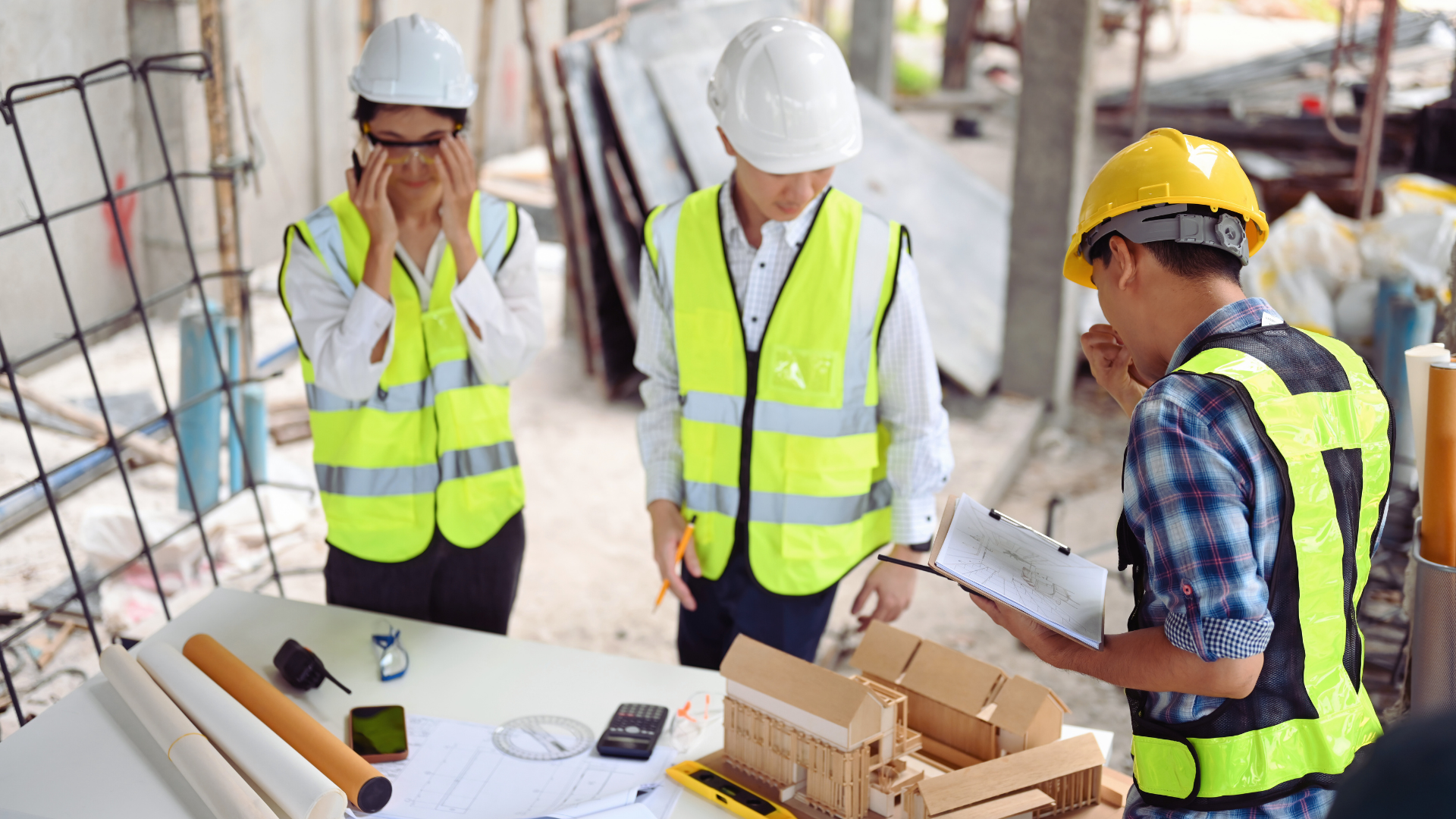
In today’s fast-paced work environments, ensuring safety on job sites is paramount. Key safety protocols every job site must follow include proper hazard communication, use of personal protective equipment (PPE), and adherence to equipment safety guidelines. These protocols not only protect workers but also enhance productivity and morale.
Employees can face a variety of risks, ranging from physical injuries to exposure to hazardous materials. By implementing and maintaining rigorous safety standards, employers demonstrate a commitment to their workforce’s well-being. This focus on safety fosters a culture of trust and responsibility that benefits all.
Understanding the essential practices that safeguard workers is vital for any organization. Adhering to safety protocols not only minimizes risks but also ensures compliance with legal requirements. Engaging with these protocols empowers workers, creating a safer and more efficient work environment.
Essential Safety Protocols for Every Job Site
Implementing effective safety protocols is crucial on any job site. Adhering to these measures not only protects workers but also promotes a culture of safety and efficiency.
Personal Protective Equipment and Gear
Personal Protective Equipment (PPE) is essential for safeguarding workers from various job site hazards. Common PPE includes hard hats, safety goggles, gloves, and steel-toed boots. Each piece of equipment should be chosen based on specific risks present at the site.
Employers must ensure that PPE is properly fitted and maintained. Regular inspections are necessary to identify wear and tear. Workers should also receive training on the correct usage and limitations of their PPE.
A checklist for PPE includes:
- Hard hats: Protect against head injuries.
- Safety goggles: Prevent eye damage from debris.
- Gloves: Shield hands from cuts and chemicals.
- Footwear: Offer support and protect toes from heavy objects.
Fall Protection Systems and Practices
Fall protection is vital for preventing accidents at job sites with elevation changes. Effective systems may include guardrails, safety nets, and personal fall arrest systems. Understanding fall hazards is the first step in implementing safety measures.
Employers should conduct regular risk assessments to identify potential fall points. Workers must be trained on how to use fall protection gear correctly. For example, harnesses should be inspected before each use, and anchors must be properly installed.
Key practices for fall protection include:
- Use of guardrails: Install around elevated platforms.
- Safety nets: Place below work areas.
- Training programs: Educate employees on fall prevention.
Maintaining a Safe Working Environment
A safe working environment minimizes risks and enhances productivity. Regular site inspections can help identify hazards, such as debris or unsafe conditions. Housekeeping plays a vital role in maintaining safety.
Proper storage of materials is essential to prevent tripping hazards. Clearly marked walking paths and emergency exits improve site navigation. Employers should enforce safety protocols and encourage employees to report unsafe conditions.
Effective safety measures include:
- Regular inspections: Conducted by supervisors.
- Hazard communication: Clearly display safety signage.
- First aid training: Ensure staff know how to respond to injuries.
These practices contribute significantly to a culture of safety on job sites.
Training, Communication, and Emergency Preparedness
Effective training, clear communication, and robust emergency preparedness are essential for maintaining safety on job sites. These elements create a foundation for a safety-first culture, ensuring all personnel are prepared for potential hazards.
Mandatory Safety Training for All Personnel
All personnel must undergo mandatory safety training tailored to their specific roles and the hazards present on the job site. This training should include:
- Hazard recognition: Participants learn to identify potential hazards.
- Use of personal protective equipment (PPE): Proper use and maintenance of PPE is critical.
- Emergency response: Training should cover specific emergency scenarios relevant to the site.
Regular refresher courses should be scheduled to keep knowledge current. New hires must receive this training before beginning work to ensure they understand safety protocols from day one.
Establishing Clear Communication Channels
Clear communication is vital to ensure everyone on the job site understands safety protocols and emergency procedures. This can be achieved by:
- Implementing a chain of command: Clearly defining roles improves accountability.
- Utilizing safety meetings: Regular briefings can address ongoing concerns and reinforce protocols.
- Establishing communication tools: Two-way radios, signage, and mobile apps can facilitate quick information sharing.
It is crucial to ensure that all personnel, regardless of their role, are included in these communication efforts to foster an inclusive safety culture.
Implementing Emergency Procedures and Drills
Emergency procedures must be well-defined and practiced regularly through drills. Key components include:
- Developing a written plan: This plan should address various emergencies, such as fires, chemical spills, or severe weather.
- Conducting drills: Regular drills allow personnel to practice their response to different scenarios. This reinforces training and builds confidence.
- Evaluating performance: After each drill, assessment of response effectiveness can highlight areas for improvement.
Implementation of these procedures ensures that all personnel are prepared to act swiftly and effectively during real emergencies, minimizing risks and enhancing overall safety.
Regular Inspections, Compliance, and Culture
Ensuring regular inspections and fostering a culture of safety are crucial for any job site. These elements not only enhance compliance with safety standards but also promote accountability among all personnel.
Routine Equipment Maintenance and Inspections
Routine maintenance of equipment is critical to ensure it operates safely and efficiently. This includes regular checks for signs of wear, rust, and other damage that could lead to failures.
Key steps include:
- Scheduled Inspections: Conduct inspections at predefined intervals based on usage and manufacturer recommendations.
- Documentation: Keep detailed records of all maintenance and inspections to track the condition of equipment over time.
- Immediate Repairs: Address any issues found during inspections promptly to prevent potential accidents.
This proactive approach minimizes downtime and enhances worker safety.
Comprehensive Safety Audits
Comprehensive safety audits assess the effectiveness of existing safety protocols. These audits should be conducted regularly to evaluate compliance with local regulations and industry standards.
Important components of a safety audit include:
- Checklists: Use detailed checklists tailored to the specific job site and activities involved.
- Employee Input: Encourage feedback from employees to uncover potential safety concerns that management may overlook.
- Action Plans: Develop clear action plans to address any deficiencies identified, ensuring that the site continuously improves its safety practices.
Regular audits create an environment focused on compliance and risk reduction.
The Role of Safety Officers and Fostering a Safety-First Culture
Safety officers are pivotal in ensuring adherence to safety protocols and regulations. They monitor compliance, lead training sessions, and act as the primary resource for safety concerns.
To foster a safety-first culture:
- Training Programs: Implement ongoing training that includes practical scenarios to prepare employees for real-life situations.
- Open Communication: Establish channels for employees to report safety issues without fear of repercussion.
- Recognition Programs: Initiate recognition for individuals and teams that prioritize safety, reinforcing its importance across the workforce.
By integrating these practices, safety becomes an intrinsic value within the organization.