
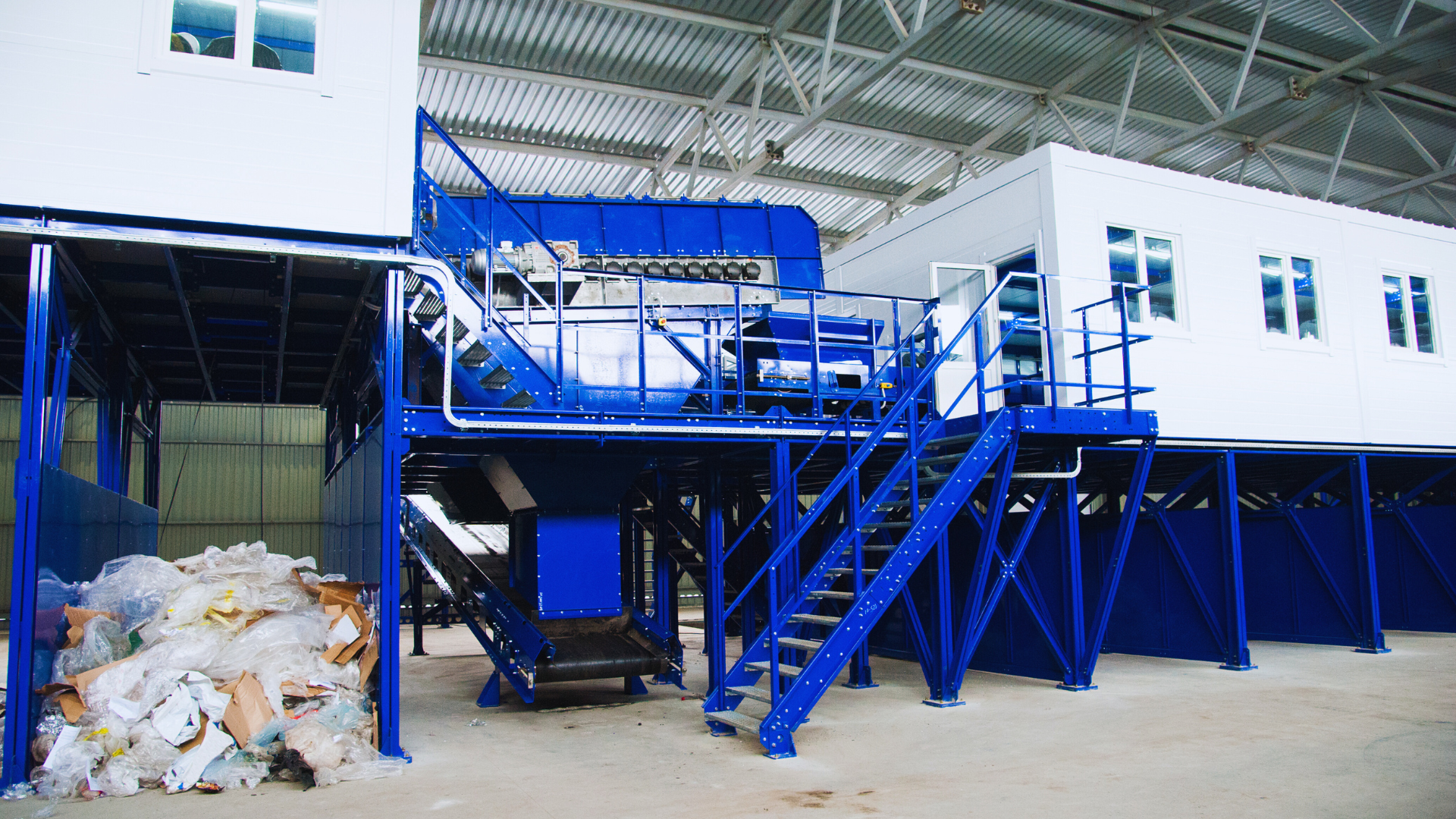
Reducing waste and improving production efficiency are critical goals for any business aiming to boost profitability and sustainability. Implementing lean manufacturing principles, investing in employee training, and utilizing technology for tracking waste can significantly enhance production processes. Organizations can create a more streamlined workflow by identifying and eliminating unnecessary steps, leading to both cost savings and an environmentally friendly approach.
To begin, companies can conduct a waste audit to pinpoint areas where materials and resources are being squandered. This assessment helps in creating targeted strategies that address specific inefficiencies within the production cycle. Utilizing data analytics plays a vital role in tracking performance metrics and identifying bottlenecks, allowing businesses to make informed adjustments.
Engaging employees in the process fosters a culture of continuous improvement. When team members are encouraged to contribute ideas for waste reduction and efficiency, they become more invested in the company’s success. By taking these steps, organizations can ensure a sustainable path that not only enhances productivity but also reduces their environmental footprint.
Fundamentals of Waste Reduction and Production Efficiency
To enhance production efficiency, understanding the types of manufacturing waste and applying core principles is essential. Key performance metrics help track progress in waste reduction, enabling better decision-making.
Understanding Manufacturing Waste
Manufacturing waste can occur in various forms, including:
- Material Waste: Excess materials or defective products lead to losses.
- Time Waste: Delays in the production process reduce overall efficiency.
- Energy Waste: Inefficient machinery and processes can consume excess energy.
- Labor Waste: An Underutilized workforce or redundant processes result in inefficiencies.
Identifying these types of waste is the first step. Implementing techniques like Lean Manufacturing or Six Sigma can significantly minimize waste. Mapping the production process helps identify inefficiencies and areas for improvement, leading to more streamlined operations.
Principles of Production Efficiency
Production efficiency focuses on optimizing processes to maximize output while minimizing input. Key principles include:
- Just-in-Time Production: Reduces excess inventory and ensures materials arrive as needed.
- Continuous Improvement: Regular evaluations of processes enable ongoing enhancements.
- Standardization: Creates consistency, making it easier to identify deviations and areas for improvement.
Implementing these principles encourages a proactive approach toward efficiency. By fostering a culture of continuous assessment, teams can adapt quickly to changing demands while maintaining high standards of quality.
Key Performance Metrics
To effectively measure progress in waste reduction and production efficiency, several key performance indicators (KPIs) should be monitored:
- Overall Equipment Effectiveness (OEE): This metric assesses equipment performance, availability, and quality, providing insights into production reliability.
- Waste Rate: The percentage of materials wasted compared to total materials used tracks improvement over time.
- Cycle Time: Monitoring the time taken for each production cycle helps identify bottlenecks.
Using these metrics allows for informed decision-making. Regular analysis of KPIs aids in making data-driven adjustments to improve processes and drive waste reduction initiatives.
Implementing Lean Manufacturing Strategies
Implementing lean manufacturing strategies focuses on eliminating waste while enhancing production efficiency. Key methods include adhering to lean principles, utilizing value stream mapping, and adopting Just-In-Time (JIT) production techniques.
Lean Manufacturing Principles
Lean manufacturing is centered around maximizing value while minimizing waste. Core principles include:
- Identify Value: Understand what adds value from the customer’s perspective.
- Value Stream: Map out all steps in the production process, identifying areas of waste.
- Continuous Flow: Ensure products move seamlessly through the manufacturing process.
- Pull System: Produce only what is needed, when it is needed.
By systematically applying these principles, organizations can streamline operations and enhance product delivery time.
Value Stream Mapping
Value stream mapping (VSM) is a powerful tool for visualizing the flow of materials and information. It breaks down every step of the production process into components, allowing teams to:
- Identify waste, such as excess inventory or waiting times.
- Highlight bottlenecks that hinder efficiency.
- Establish a baseline for improvement by measuring lead times.
Creating a VSM involves collaboration across teams, ensuring everyone understands the entire production flow and contributes to the solution.
Just-In-Time (JIT) Production
Just-In-Time (JIT) production is a strategy that aligns production with customer demand. Key aspects include:
- Inventory Management: Reduce inventory levels to save costs and minimize waste.
- Supplier Relationships: Foster close ties with suppliers to ensure the timely delivery of materials.
- Production Scheduling: Implement flexible scheduling to respond quickly to changes in demand.
By focusing on JIT, manufacturers can reduce storage costs and enhance responsiveness, leading to improved efficiency and reduced waste in production processes.
Optimizing Operations for Waste Reduction
Effective operations optimization is crucial for minimizing waste and enhancing production efficiency. This involves assessing current processes, identifying types of waste, and streamlining workflows for improved productivity.
Waste Audit and Identification
Conducting a waste audit is the first step in identifying areas for improvement. This involves systematically examining every aspect of operations to locate inefficiencies.
Key types of waste include:
- Overproduction: Producing more than required.
- Defects: Errors that necessitate rework.
- Waiting: Idle time due to delays or bottlenecks.
- Excess Inventory: Holding more stock than needed.
- Over-processing: Unnecessary steps in production.
- Unused Talent: Not utilizing employees’ full potential.
By collecting data on these factors, a company can pinpoint where waste occurs and implement targeted strategies to reduce it.
Addressing Common Types of Waste
Once waste types have been identified, targeted interventions can be employed.
- For overproduction, aligning production schedules with demand prevents unnecessary surplus.
- To tackle defects, quality control measures and consistent training can enhance product reliability.
- Waiting can be reduced by improving communication and implementing efficient scheduling systems.
Additionally, managing excess inventory through just-in-time practices helps to keep stock levels optimal.
Effective use of employee skills mitigates the waste caused by unused talent. Regular assessments and training can help maximize their contributions.
Improving Flow and Reducing Bottlenecks
Streamlining processes enhances flow and reduces bottlenecks, leading to smoother operations.
Identifying areas where work slows down is essential. Solutions may include:
- Redesigning workstations for better layout.
- Implementing automation where feasible.
- Enhancing team collaboration to minimize handoff delays.
Utilizing techniques such as Lean Manufacturing can support this effort. By visualizing workflows and employing tools like value stream mapping, teams can pinpoint inefficiencies and redesign processes.
Improving flow not only decreases waste but also increases customer satisfaction and overall productivity.
Sustaining Improvements and Employee Engagement
Sustaining improvements in production efficiency requires a robust approach that prioritizes continuous development and the active participation of employees. Engaging team members and establishing clear metrics facilitates ongoing success and alignment with organizational goals.
Continuous Improvement Methods
Organizations can adopt various continuous improvement methods to ensure that waste reduction initiatives become ingrained in their culture. A prominent technique is Kaizen, which emphasizes small, incremental changes rather than large-scale transformations. This approach encourages everyone to identify inefficiencies and propose enhancements.
Regularly scheduled process audits can help teams spot areas for improvement. Tools like lean methodologies and Six Sigma can also focus on reducing energy waste and optimizing resource use. Engaging all employees in these initiatives fosters a proactive attitude towards waste management and enhances customer satisfaction.
Employee Involvement and Training
Active employee involvement is critical for sustaining improvements. Engaging the workforce ensures that they feel a sense of ownership over the processes they influence. Training programs that highlight the importance of waste reduction and energy efficiency empower employees to contribute meaningfully.
Encouraging collaboration through team workshops can foster innovation. When employees share ideas for improving operational efficiency, organizations benefit from diverse perspectives. Management should also create a platform for employees to voice concerns and suggest solutions.
Monitoring Progress and KPIs
Establishing key performance indicators (KPIs) is essential for gauging the success of improvement initiatives. Metrics such as recycling rates, energy consumption, and customer satisfaction scores provide tangible measurements of progress.
Regularly reviewing these KPIs allows for timely adjustments to strategies and initiatives. Predictive maintenance can also play a role in monitoring equipment performance and reducing downtime, further enhancing efficiency.
A focused approach to tracking and analyzing relevant data ensures that advancements are sustained and aligned with larger corporate objectives.