
How High-Density Plastics Are Revolutionizing Small Business Display Designs
Throughout history, small businesses have been dealing with a similar issue: how to create the illusion that their store is three times the size of their brand. The materials used to build your displays can make this easier or more difficult for you to achieve, and for the majority of the past several decades, wood and metal were your only choices. That was until engineered plastics began getting rid of the differences.
The Problem With Wood and Metal Fixtures
For years, MDF was the go-to choice for small retail displays. And for good reason: it’s cheap to buy, easy to cut, and any carpenter worth his salt can put it together. Unfortunately, those advantages all disappear once you try and put the product to work. Moisture and water are absorbed by the material, causing it to warp over time. Moisture also degrades the material around the edge each time it’s wet-wiped. Finally, it will begin to gray over time in high-traffic, sunny environments, as the painted surface is scratched and scuffed.
MDF’s twin brands of cost and flexibility weren’t the only options, of course. Metal fixtures will prove virtually indestructible, but unfortunately at a cost. They’re expensive to buy, expensive to ship, and expensive to move. And if you decide you want to change the layout of your shop on a whim (to capitalize on a seasonal trend, for example), you’re out of luck. Metal shelves are not easily repurposed.
Customizability Without High Tooling Costs
This is where small business owners sit up and take notice. CNC routing and precision laser cutting has made bespoke plastic fabrication viable at a volume it wouldn’t have been a decade previously. You don’t have to order five hundred identical shelf brackets to get a decent unit price. Order exactly what you need, cut exactly to your dimensions, with the shapes and profiles that tie in exactly with your specific brand aesthetic.
This opens up a category of display work that used to only be available to the big retail chains with enormous capital budgets. Interlocking modular panels, custom-profiled shelf edges, branded standees with clean acrylic faces, these aren’t engineering projects. They’re standard cuts from standard sheet materials, executed with precision.
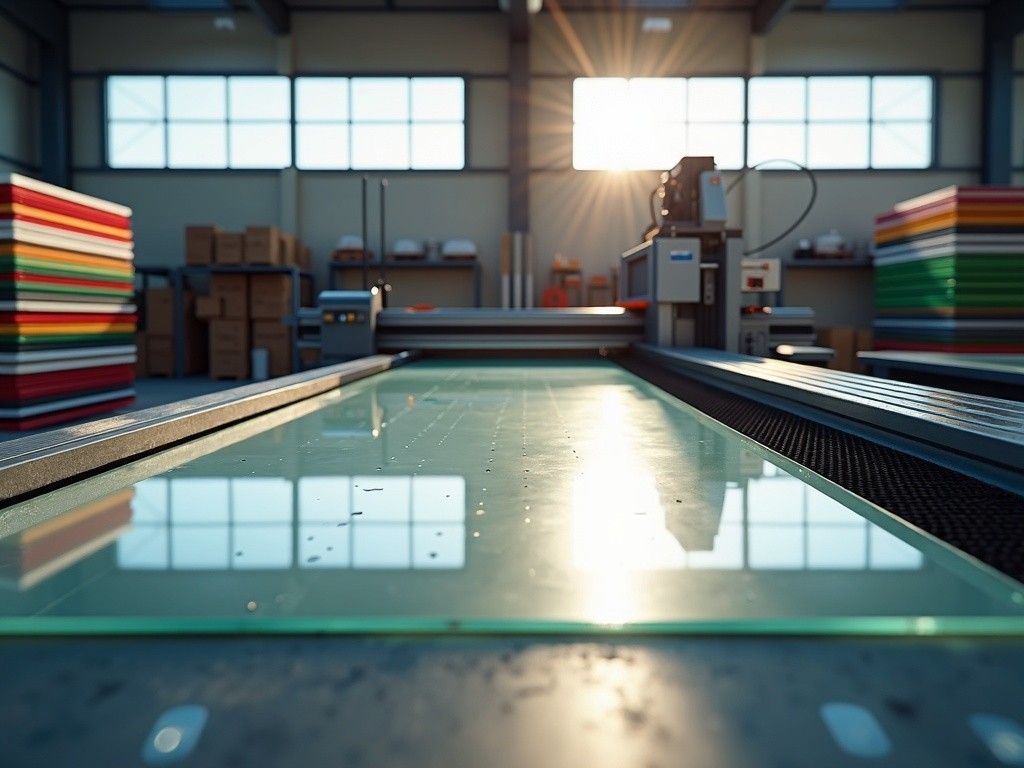
For the small business owner who is looking to source custom-dimensioned acrylic, polycarbonate, or HDPE sheets, minus the overheads of owning a fabrication shop, suppliers like cutmyplastic.com.au will take care of the cutting and shaping, sending you perfectly square, ready-to-assemble components and removing the tooling barrier that used to make this sort of work prohibitive.
Durability in Real Retail Conditions
Point-of-sale displays endure a lot of damage. Consumers rest on them, bump them, and cleaning staff wipes them with whatever potent substance is handy. Material tiredness may not be a critical problem, but it is the type of weary deterioration that makes displays appear old and second-rate after just one year of constant use.
Polycarbonate can withstand physical force better than nearly all other sheet materials of the same weight. Acrylic (PMMA) comes the closest to glass in terms of optical clarity but remains unbreakable. This is especially practical for display cabinets, where you want consumers to clearly see items but can’t risk breakages. HDPE takes in the impact without splintering, and holds against continual contact from restocking.
Functional in-store displays can produce up to a 20% sales increase (according to Point of Purchase Advertising International). This means that the business rationale for choosing materials that maintain their appearance over time is justified. A display that still seems high-quality after three years of constant foot traffic is raking in profit for that original outlay, week after week.
Shipping and Reconfiguration as Genuine Business Advantages
This aspect doesn’t come up enough in conversations about display materials, but it’s extremely important for small businesses that ship fixtures between locations, store them seasonally, or simply want the flexibility to rearrange without a two-person crew.
An acrylic shelving unit weighs a fraction of the equivalent in metal. For a business ordering displays from a fabricator and shipping them to a retail location, that means lower freight costs. For a market stall operator packing and unpacking a display setup every weekend, it’s the difference between reasonable wear and tear and burnout.
Thermoplastic fabrication also means components can be designed to pack flat and assemble on-site, which isn’t easily achievable with welded metal or assembled wood fixtures.
Sustainability and the Recycled-Content Option
HDPE is one of the most widely recycled plastics in active service. Small businesses that want their material choices to align with customer expectations around sustainability have a straightforward path here, recycled-content HDPE is available, performs the same as virgin material in most display applications, and gives businesses a credible story to tell.
This isn’t a minor consideration. Consumer expectations around how brands source materials have shifted noticeably, and for independent retailers who rely on community goodwill and repeat customers, it’s worth building into purchasing decisions from the start.
The shift toward engineered polymers in small business retail isn’t a trend that’s going to reverse. The cost math, the durability data, and the customizability all point in the same direction, and for independent brands trying to build a premium presence on a realistic budget, that’s exactly the kind of structural advantage worth acting on.